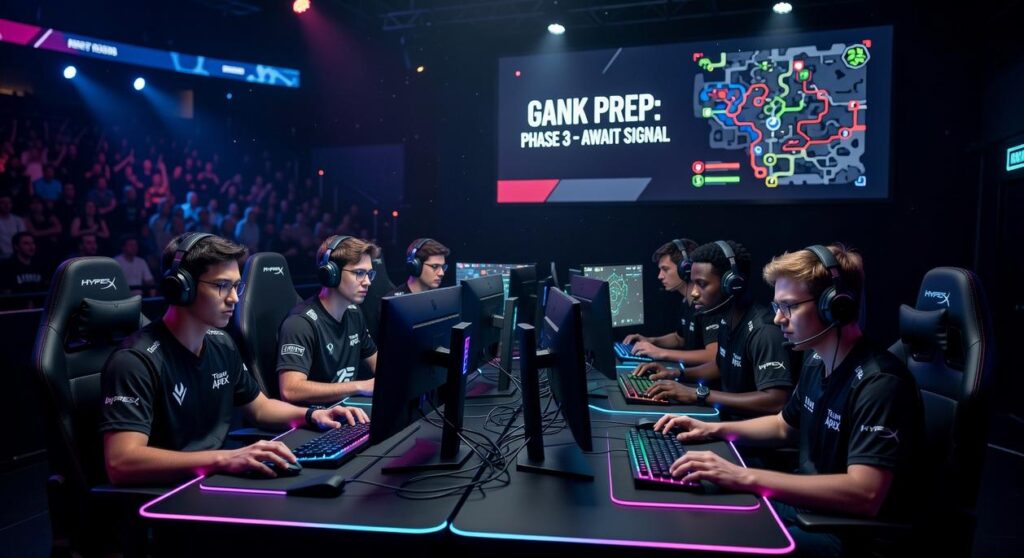

If you’re searching for a clear, up-to-date breakdown of utility support gameplay in Dota 2, you’re likely trying to understand how to create impact without relying on farm-heavy cores. The modern meta rewards supports who can control vision, enable tempo, rotate efficiently, and shift the outcome of fights through smart positioning and spell usage. Yet with constant patches and evolving pro strategies, it’s easy to fall behind on what actually works.
This article is built to close that gap. We analyze current meta trends, pro-level match patterns, and high-MMR gameplay data to highlight what separates average support play from game-winning utility impact. You’ll learn how to optimize rotations, itemization, warding patterns, and spell prioritization to consistently influence the map.
Whether you’re climbing ranked or refining competitive preparation, this guide focuses on practical insights you can apply immediately to elevate your support performance.
Picture this: your carry is one hit from death, enemy cores diving, spells flying. You land a perfectly timed stun, pop a defensive buff, and suddenly the fight flips. No flashy crit numbers—just control.
Too many players chase damage charts or healing totals, ignoring the invisible value of slows, silences, vision, and saves. That mindset misses how utility support gameplay dictates tempo.
Here’s how to level up:
- Track cooldowns before fights; engage when enemy spells are down.
- Position behind frontliner, not beside them.
- Save disables for priority targets, not tanks.
Control wins games—and discipline makes it repeatable.
What is “Utility”? A Tactical Breakdown
In competitive games like Dota 2, utility refers to any ability that manipulates the battlefield without directly dealing damage or restoring health. Think of it as influence over outcomes rather than raw numbers. If damage is brute force, utility is strategy (the chess move before checkmate).
Utility shapes fights before they even start.
The Four Pillars of Utility
1. Crowd Control (CC)
Crowd Control includes stuns, silences, roots, and slows—effects that limit enemy actions. A Lion Hex or Crystal Maiden Frostbite can neutralize a carry long enough to swing a fight. Recommendation: prioritize at least one reliable stun in most drafts; mobility-heavy metas demand it.
2. Buffs & Debuffs
Buffs enhance allies (attack speed, armor), while debuffs weaken enemies (armor reduction, damage amp). Shadow Demon’s armor reduction, for example, turns skirmishes lethal fast.
3. Vision & Information
Wards, scans, and reveal abilities provide map awareness. According to Valve’s match data trends, teams with superior vision control win more engagements due to better positioning.
4. Positioning & Saves
Force Staff, defensive dispels, shields—these tools reposition allies or prevent death. If CC starts fights, saves end enemy momentum.
If you’re refining utility support gameplay, focus first on CC and vision. Flashy damage looks great on highlight reels, but coordinated utility wins championships (just ask any TI-winning captain).
Mastering the Art of Disruption: Crowd Control Strategy
I still remember a ranked match where I blew every disable on the enemy tank. It felt productive. It wasn’t. While I was busy “controlling” the least threatening hero, their glass-cannon Sniper shredded my team. That was the day I learned a hard truth: crowd control (CC) isn’t about stopping someone—it’s about creating a window of opportunity for your damage dealers.
Crowd Control (CC) refers to abilities that limit an enemy’s actions—stuns, silences, roots, slows. The purpose of CC is tempo manipulation (controlling when enemies can act). If your carry gets three uninterrupted seconds, that’s often the fight.
Initiation vs. Counter-Initiation
Using a stun to start a fight (initiation) is proactive. You lock down a priority target before they react. Counter-initiation, however, is defensive—holding your disable until an enemy dives your high-value teammate. In my experience playing utility support gameplay, patience wins more fights than aggression. Sometimes the best stun is the one you don’t cast (yes, really).
The Art of the CC Chain
A CC chain is coordinated sequencing to maximize disable duration without overlap. If a root lasts two seconds, don’t panic-stun halfway through. Instead: After a root ends, follow immediately with a stun, then layer a silence. Proper chaining turns skirmishes into highlight reels—think Avengers assembling, but with better timing.
Pro tip: Communicate cooldowns beforehand.
Target Prioritization
Who gets controlled? The fragile damage dealer? The enemy initiator? The saving support? It depends. Disabling the initiator prevents chaos. Locking the glass cannon removes damage. Silencing the support stops clutch saves. There’s no universal answer—only informed judgment under pressure.
Vision is Victory: Winning the Information War

In competitive matches, superior vision is everything. It prevents ambushes, secures objectives, enables safe farming, and allows for calculated aggression. When you see the enemy first, you dictate the fight (and usually win it).
However, many players treat wards as chores. I disagree. Vision is a weapon. Defensive wards protect your jungle entrances and towers; aggressive wards invade enemy territory to track rotations and set up kills. The difference is proactive versus reactive thinking.
Meanwhile, the economy of vision control is brutal. Dewarding destroys enemy information and wastes their gold. A single sentry that removes an observer can swing momentum (information denial wins tournaments, according to repeated pro match analyses). Gold spent on sight often returns more than a risky item.
Additionally, use scans, flares, and similar tools before walking up high ground or into Roshan pits. Checking first turns blind leaps into calculated moves. In my view, mastering utility support gameplay starts with information, not mechanics.
For role context, revisit understanding the five core roles in dota style games. Ultimately, vision is victory, and I will always invest in it first. Because seeing more means losing less, consistently. Every single game matters.
I still remember a ranked match where our carry was seconds from dying. One well-timed attack-speed buff turned him into a blender, and suddenly the fight flipped. That’s the magic of buffs—temporary positive effects that amplify stats like damage or speed. Pair them with debuffs—negative effects such as armor reduction or slows—and you create force multipliers that make average heroes feel unstoppable (think Captain America getting the shield and backup).
A dispel removes harmful effects like stuns or silences, and in my experience, a clutch dispel on your core is often the true MVP play.
Repositioning tools—abilities or items that move allies or enemies—can rescue teammates from certain death or isolate a priority target for elimination. Mastering this layer of utility support gameplay wins fights before damage numbers even matter.
Pro tip: track cooldowns and communicate intentions—coordination turns saves into game-winning moments. Trust me, timing changes everything in teamfights.
Integrating Utility Into Your Gameplay
True enhancement comes from controlling the flow of battle, not padding damage stats. Crowd control (CC, abilities that restrict movement), and vision tools like Observer Wards, and defensive saves such as Force Staff repositioning decide objectives. Ignore them, and your wins rely on chance crits and enemy mistakes. Master them, and you dictate tempo.
Some argue kills carry games. Yet match data shows vision advantage correlates with win rates (Valve tournament stats). That’s not flashy—but it’s decisive.
Focus on lever. Matches, refine stun timing or ward placement within utility support gameplay and track win rate.
Mastering Utility Support to Control the Game
You came here to understand how to make a real impact without chasing kills or farm. Now you can see how utility support gameplay shapes vision control, tempo, teamfight execution, and ultimately, the outcome of the match.
The biggest frustration for support players is feeling invisible or powerless when cores underperform. But when you rotate with purpose, itemize for the draft, secure objectives with vision, and enable your win condition, you control far more than the scoreboard shows. That’s the difference between simply playing support and dictating the pace of the game.
Accept the role as the team’s strategic backbone. Commit to smarter warding, tighter rotations, and proactive communication. Take action by reviewing your last three matches and identifying missed timing windows or inefficient movements. Then refine them.
If you’re tired of being stuck in low impact games, we can help. We’re one of the fastest-growing Dota2 strategy hubs for players serious about climbing. Dive into our advanced breakdowns, study pro-level adjustments, and start applying these concepts in your next match today.
 Content Strategist
Brenda Ojedalian is the kind of writer who genuinely cannot publish something without checking it twice. Maybe three times. They came to competitive match prep guides through years of hands-on work rather than theory, which means the things they writes about — Competitive Match Prep Guides, Dota-Inspired Playstyle Breakdowns, Doto2 Meta Shifts and Hero Counters, among other areas — are things they has actually tested, questioned, and revised opinions on more than once.
That shows in the work. Brenda's pieces tend to go a level deeper than most. Not in a way that becomes unreadable, but in a way that makes you realize you'd been missing something important. They has a habit of finding the detail that everybody else glosses over and making it the center of the story — which sounds simple, but takes a rare combination of curiosity and patience to pull off consistently. The writing never feels rushed. It feels like someone who sat with the subject long enough to actually understand it.
Outside of specific topics, what Brenda cares about most is whether the reader walks away with something useful. Not impressed. Not entertained. Useful. That's a harder bar to clear than it sounds, and they clears it more often than not — which is why readers tend to remember Brenda's articles long after they've forgotten the headline.
Content Strategist
Brenda Ojedalian is the kind of writer who genuinely cannot publish something without checking it twice. Maybe three times. They came to competitive match prep guides through years of hands-on work rather than theory, which means the things they writes about — Competitive Match Prep Guides, Dota-Inspired Playstyle Breakdowns, Doto2 Meta Shifts and Hero Counters, among other areas — are things they has actually tested, questioned, and revised opinions on more than once.
That shows in the work. Brenda's pieces tend to go a level deeper than most. Not in a way that becomes unreadable, but in a way that makes you realize you'd been missing something important. They has a habit of finding the detail that everybody else glosses over and making it the center of the story — which sounds simple, but takes a rare combination of curiosity and patience to pull off consistently. The writing never feels rushed. It feels like someone who sat with the subject long enough to actually understand it.
Outside of specific topics, what Brenda cares about most is whether the reader walks away with something useful. Not impressed. Not entertained. Useful. That's a harder bar to clear than it sounds, and they clears it more often than not — which is why readers tend to remember Brenda's articles long after they've forgotten the headline.