If you’re searching for a clear breakdown of today’s Dota 2 meta, advanced Moll strategies, or what truly separates high-MMR players from the rest, you’re in the right place. The competitive landscape shifts fast—new patches redefine priorities, hero pools evolve overnight, and what worked last month can suddenly feel outdated. This article is designed to cut through that noise and give you focused, actionable insights you can apply immediately.
We analyze recent high-level matches, study drafting patterns, and review evolving playstyles to ensure the strategies discussed here reflect what’s actually working in competitive environments. From lane optimization and tempo control to teamfight execution and macro decision-making, every section is built around practical improvement.
You’ll also get a closer look at how structured preparation—similar to a pro esports training schedule—influences consistency, adaptability, and in-game performance. Whether you’re climbing ranked or refining competitive fundamentals, this guide will help you stay ahead of the meta instead of chasing it.
Pillar 1: The Foundation – Setting Your Baseline and Goals
As professional esports athletes refine their training schedules to maximize performance, the contrast with the frustratingly erratic updates from games like Ooverzala becomes even more apparent, with many players questioning how these disruptions impact their meticulously crafted routines – for more details, check out our Why Are Ooverzala Updates So Bad.
Before you grind ranked, define your player identity. Are you a carry (the late-game damage dealer who scales with farm), a support (the vision and utility backbone), or an initiator (the hero who starts fights on your terms)? This isn’t just labeling—it determines your practice focus. For example, a carry might track last-hit benchmarks, while an initiator studies blink-timing efficiency. Lock in a core pool of 3–5 heroes to reduce variability and sharpen decision-making (spamming 20 heroes is chaos, not versatility).
Next, shift to objective-based goals. “Win more” is vague. “Hit 90% last-hits by minute 10 in uncontested lanes” is measurable. “Reduce unforced deaths by 15%” is trackable through replay timestamps. Clear metrics turn improvement into data, not vibes.
Then, build a master calendar modeled after a pro esports training schedule: mechanical drills (30 minutes), replay review (45 minutes), and structured scrims. Scheduled blocks create consistency—and consistency compounds.
Finally, use tools. Dota2’s built-in replay system highlights positioning errors. Stat-tracking platforms quantify GPM and ward uptime. Even aim trainers (borrowed from FPS training) improve reaction speed. The feature isn’t the software—the benefit is objective feedback. (And numbers don’t tilt.)
Pro tip: Review one lost fight per session instead of the whole match to avoid burnout.
Pillar 2: In-Game Mastery – Deliberate Mechanical and Tactical Practice
If strategy is the brain of your gameplay, mechanics are the hands. And shaky hands lose winnable fights.
Mechanical Drills (The Daily Warm-up)
Mechanical drills isolate specific skills so you can improve them without the chaos of a live match. Think of it as practicing free throws before the playoffs.
Examples:
- Last-hitting for 10 minutes with no opponents
- Repeating ability combo execution until it’s muscle memory
- Camera control exercises to reduce map blind spots
Deliberate practice means focusing on one weakness at a time instead of “just playing more.” Research on skill acquisition shows targeted repetition builds expertise faster than unfocused repetition (Ericsson et al., 1993).
Pro tip: Track your CS at 10 minutes daily. Small gains compound.
Scenario-Based Training
Custom lobbies let you recreate high-pressure situations without risking MMR. Practice:
- Executing a 2v1 lane dive
- Defending a high-ground siege
- Contesting Roshan with limited vision
Some argue real matches are the only “true” practice. But isolating scenarios builds confidence so you’re not improvising under stress (and panic rarely wins teamfights).
VOD Review (Your Own Gameplay)
After each game, identify:
- Three key mistakes
- One thing you did well
Then ask why for every major decision. Was it information-based or emotion-based?
For deeper insight, study patterns outlined in common habits pros avoid in high level competitive play.
Meta Analysis and Adaptation
The meta (most effective tactics available) shifts constantly. Study pro matches, item trends, and hero win rates. Even a light version of a pro esports training schedule—structured practice blocks for mechanics, review, and theory—can dramatically sharpen your edge.
Because mastery isn’t accidental. It’s engineered.
Pillar 3: The Strategic Mind – Team Play and Game Theory
Raw mechanics win pubs. Strategic cohesion wins tournaments. At high-MMR stacks and SEA qualifiers alike, the difference shows in how teams think, not just click.
Mastering Team Communication: The 3 C’s
The foundation is Clear, Concise, Calm comms.
- Clear: Use standardized callouts (“TP 10,” “Glyph forced,” “Rosh 30”). No essays mid-fight.
- Concise: Information, not commentary. (Save the TED Talk for post-game.)
- Calm: Tilt spreads faster than a Techies minefield.
Some argue strict comm structures feel robotic. Fair. But in a chaotic high-ground defense, predictability beats personality. Think less reality TV, more pit crew at a Formula 1 stop.
Scrimmage with a Purpose
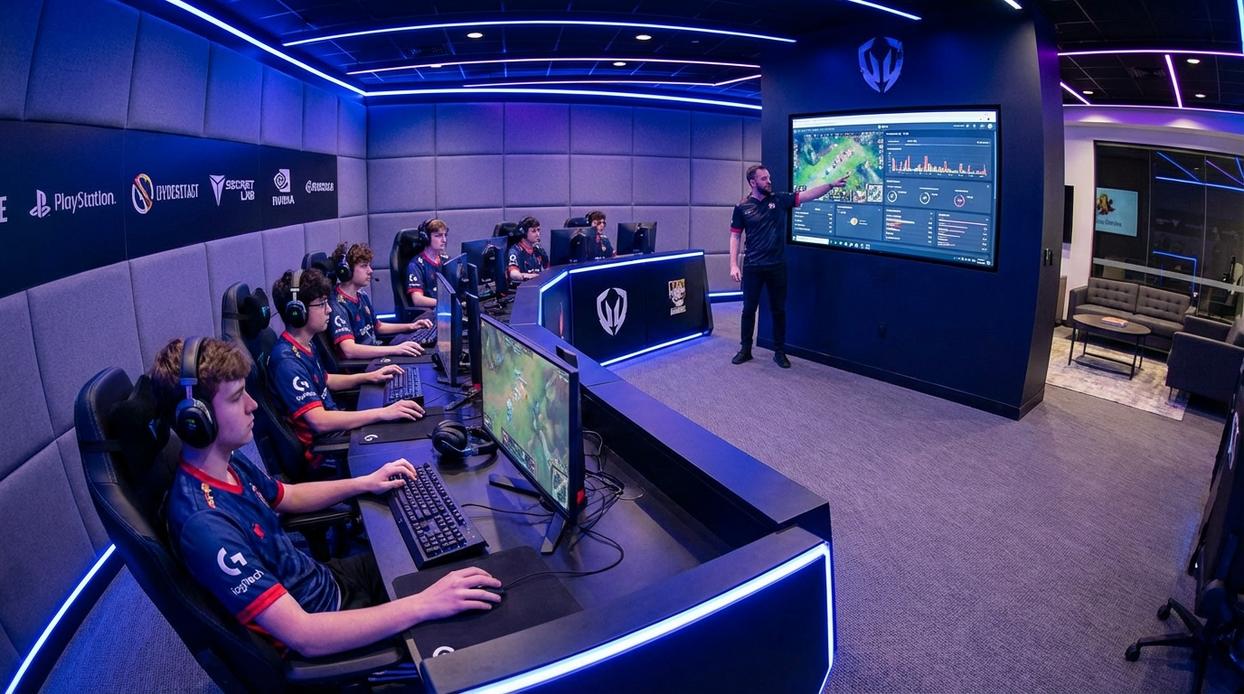
A scrim (practice match between organized teams) isn’t just ranked with voice chat. Structure blocks around one goal: practice a last-pick Brood draft, refine triangle invasions, or test double-save supports.
Top-tier teams mirror a pro esports training schedule in the section once exactly as it is given, balancing scrims, VOD review, and solo queue refinement. Without focus, scrims devolve into ego duels. With focus, they simulate stage pressure.
Pro tip: Track one measurable KPI per block—average smoke timing, ward uptime, or Roshan conversion rate.
Post-Scrim Analysis Framework
Review replays together. Break down:
- Draft execution versus intended win condition
- Communication breakdowns (who called the disengage?)
- Objective trading efficiency
Yes, some say over-analysis kills instinct. But disciplined reflection builds instinct faster.
Drafting and Counter-Drafting Theory
“Just pick meta” is lazy logic. A composition (how heroes synergize toward a shared win condition) matters more. Identify scaling cores, tempo setters, save mechanics, and tower pressure. Counter the strategy, not just the hero. That’s game theory in action—anticipating opponent incentives and constraining them before the horn even sounds.
Pillar 4: The Elite Athlete – Health, Wellness, and Mental Fortitude
Burnout (mental exhaustion from prolonged stress) and tilt (emotional frustration after mistakes) quietly destroy performance. Therefore, schedule short resets between matches and full days off weekly—just like a pro esports training schedule. After losses, try box breathing or a five-minute walk to reset focus.
| Area | Simple Action | Why It Matters |
|---|---|---|
| Wrist Health | Stretch flexors |
Prevent strain |
| Posture | Sit upright | Reduce fatigue |
| Sleep | 7–9 hours | Faster reactions |
Meanwhile, sleep and balanced meals fuel decision-making (yes, junk food sabotages clutch plays). Pro tip: hydrate consistently.
Take Your Dota2 Performance to the Next Level
You came here looking for clarity on today’s Dota2 meta, smarter Moll strategies, and a clearer path to refining your playstyle. Now you have the breakdowns, the adjustments, and the competitive insights needed to sharpen your edge.
But knowing the meta isn’t enough. The real frustration comes from understanding what to do — yet still losing games because execution, preparation, and structure aren’t consistent. That gap between knowledge and results is where most players get stuck.
The solution is deliberate improvement. Study meta shifts weekly. Review your replays with intention. Practice hero pools that align with current trends. Most importantly, build a structured pro esports training schedule that transforms random grinding into focused development.
If you’re serious about climbing MMR, dominating ranked, or preparing for competitive play, don’t leave your growth to chance. Follow proven strategies trusted by dedicated Dota2 competitors who treat improvement like a discipline — not a hobby.
Start implementing these strategies today. Refine your hero pool. Track your progress. Commit to a structured system. Your next rank isn’t luck — it’s preparation.
 Founder
Tavien Eldricson is the kind of writer who genuinely cannot publish something without checking it twice. Maybe three times. They came to hot topics in gaming through years of hands-on work rather than theory, which means the things they writes about — Hot Topics in Gaming, Doto2 Meta Shifts and Hero Counters, Moll Gaming Tactics and Strategies, among other areas — are things they has actually tested, questioned, and revised opinions on more than once.
That shows in the work. Tavien's pieces tend to go a level deeper than most. Not in a way that becomes unreadable, but in a way that makes you realize you'd been missing something important. They has a habit of finding the detail that everybody else glosses over and making it the center of the story — which sounds simple, but takes a rare combination of curiosity and patience to pull off consistently. The writing never feels rushed. It feels like someone who sat with the subject long enough to actually understand it.
Outside of specific topics, what Tavien cares about most is whether the reader walks away with something useful. Not impressed. Not entertained. Useful. That's a harder bar to clear than it sounds, and they clears it more often than not — which is why readers tend to remember Tavien's articles long after they've forgotten the headline.
Founder
Tavien Eldricson is the kind of writer who genuinely cannot publish something without checking it twice. Maybe three times. They came to hot topics in gaming through years of hands-on work rather than theory, which means the things they writes about — Hot Topics in Gaming, Doto2 Meta Shifts and Hero Counters, Moll Gaming Tactics and Strategies, among other areas — are things they has actually tested, questioned, and revised opinions on more than once.
That shows in the work. Tavien's pieces tend to go a level deeper than most. Not in a way that becomes unreadable, but in a way that makes you realize you'd been missing something important. They has a habit of finding the detail that everybody else glosses over and making it the center of the story — which sounds simple, but takes a rare combination of curiosity and patience to pull off consistently. The writing never feels rushed. It feels like someone who sat with the subject long enough to actually understand it.
Outside of specific topics, what Tavien cares about most is whether the reader walks away with something useful. Not impressed. Not entertained. Useful. That's a harder bar to clear than it sounds, and they clears it more often than not — which is why readers tend to remember Tavien's articles long after they've forgotten the headline.