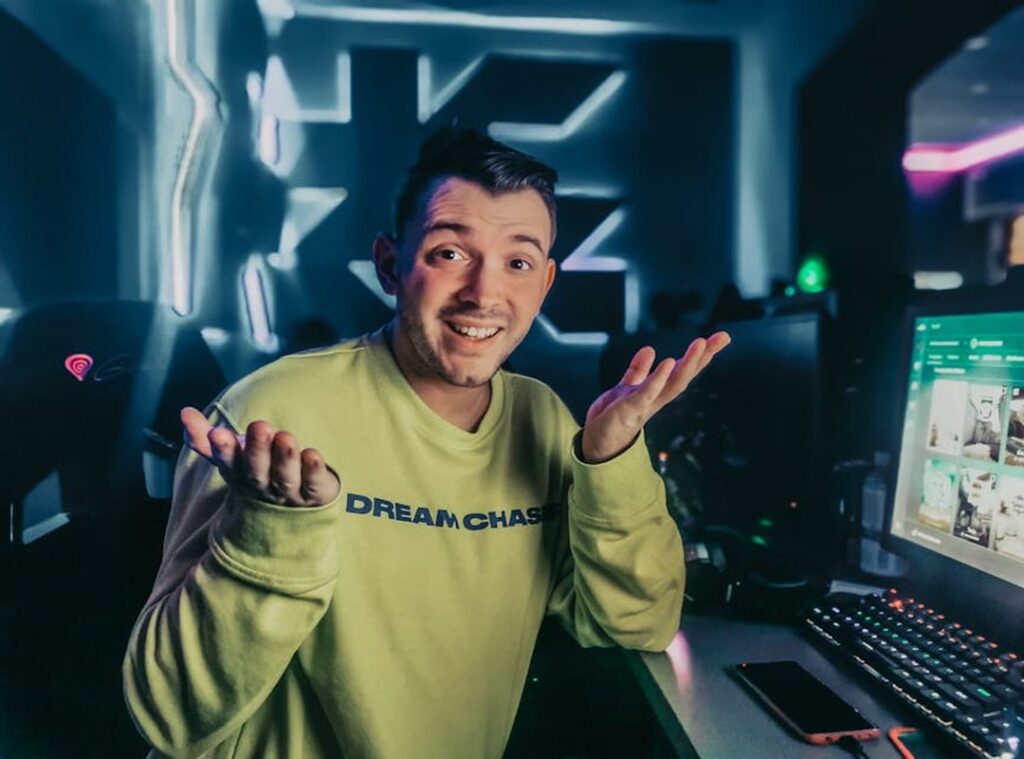
You’ve seen the name somewhere.
Maybe in a heated Reddit thread. Maybe in a YouTube comment section that spiraled fast. Maybe your friend muttered it like it was a warning.
Who is Thehakegamer?
Not the rumors. Not the memes. Not the fan wikis full of guesses.
I watched every video. Read every pinned comment. Traced every major shift in tone and topic (over) years.
This isn’t speculation. It’s observation.
You want to know who’s behind the screen. So do I. And I’m not satisfied with surface answers.
This article tells you who he is. What he actually makes. Why he stands out.
Not just because of controversy, but because of how he builds his world.
No hype. No fluff. Just what’s on record.
You’ll walk away knowing exactly why the name sticks.
The Man Behind the Controller: Not Just Another Streamer
I watched Thehakegamer’s first viral clip in 2021. It wasn’t about a boss fight. It was him calling out performative activism during a Call of Duty stream.
People lost it. I did too.
Thehakegamer started as James Hake. Not a persona, not a brand. Just a guy who played games and talked about what he saw.
His background? Not tech. Not media school.
He worked construction. Then he spent years around figures like Jesse Lee Peterson (which) explains why his takes don’t sound like anyone else’s on YouTube.
He streams on Twitch. Posts long-form commentary on YouTube. No scripts.
No editors trimming the awkward pauses. You get the full take (raw,) uncut, and often uncomfortable.
His origin story isn’t “quit my job to chase dreams.” It’s “kept streaming after work because people kept showing up.” That matters. It means his audience didn’t come for hype. They came for consistency.
His brand is unfiltered synthesis. Gameplay layered with real-world analysis. Not “gaming + politics” as a gimmick.
It’s all one conversation.
Does that alienate people? Yes. Does it build loyalty?
Also yes.
You either trust his lens or you don’t. There’s no middle ground.
And that’s rare.
Most creators soften edges to grow. He sharpens them.
What’s next? More pressure. More scrutiny.
And more people asking: Can this kind of voice survive platform algorithms built for engagement, not clarity?
I don’t know. But I’m watching.
Gaming as Commentary: Not Just Pressing Buttons
I watch a lot of gameplay videos. Most put me to sleep.
But not Thehakegamer.
He plays Elden Ring and Call of Duty (not) to flex kills or speedrun times (but) to talk about what’s happening right now. Real stuff. Not the lore dump.
Not the frame-rate rant.
He’ll pause mid-boss fight in Elden Ring and say, “This stamina bar? That’s how burnout feels.” (Yeah. I paused the video and thought about my own calendar.)
He doesn’t wait for a cutscene to drop insight. He talks during the chaos. While reloading in Warzone, he’ll ask: “Why do we glorify calm under fire (but) punish panic in real life?”
That’s not commentary around the game. That’s commentary through it.
Most Let’s Play channels treat gameplay like background music. His is the main track. The controller is just his microphone.
I remember one stream where he played Cities: Skylines for two hours (no) voiceover at first. Then he zoomed into a traffic jam and said, “This intersection has no stop signs. Neither does our immigration policy.” (Oof.
Too real.)
He doesn’t explain games. He uses them.
You don’t learn how to parry Rennala (you) learn why we mythologize failure. You don’t get tips on grenade spam (you) get a five-minute take on performative aggression online.
It’s exhausting sometimes. In a good way.
Does it work? Yeah. Because it’s not about the game.
It’s about what the game holds up.
Most creators chase virality. He chases resonance.
And if you’ve ever stared at your screen after a match (feeling) weirdly seen (that’s) why.
He’s not selling merch. He’s holding up a mirror. With a DualSense controller in hand.
The Hake Philosophy: Calm, Clear, and Uncomfortable
I watched Thehakegamer for six months before I understood what he was doing.
He doesn’t yell. He doesn’t meme. He just sits there (quiet,) focused, unblinking (while) the world burns in his chat.
That’s the first thing people notice. Not his politics. Not his takes.
Just how still he is.
His commentary orbits traditionalism, not as nostalgia, but as infrastructure. He treats marriage, work ethic, and narrative structure like load-bearing walls (remove) one, and something collapses.
You’ll hear him critique a game’s story because the hero abandons duty for feelings. Or call out a streamer’s “authenticity” as just another performance. (He’s right more often than I like to admit.)
His calm delivery makes it worse. Or better. Depends on your tolerance for directness.
New viewers think he’s trolling. He’s not. He’s just refusing to play along with the script.
You can read more about this in Thehakegamer Game Tips and Tricks From Thehake.
He’ll pause mid-stream when a caller says something vague like “people are too sensitive.” Then he’ll ask: *What exactly do you mean by sensitive? Who? When?
What behavior changed?*
That’s his style. No filler. No deflection.
He reacts to in-game choices like they’re real moral decisions (because,) to him, they’re practice runs for real life.
His chat isn’t a fan club. It’s a live stress test for ideas. People argue.
He listens. Then he replies. Usually in under ten words.
Some call it alienating. I call it consistent.
If you want gameplay advice stripped of hype, try Thehakegamer Game Tips and Tricks From Thehake.
It’s not about winning faster. It’s about playing with intention.
He doesn’t care if you agree with him.
He cares whether you’ve thought it through.
And that’s why people keep coming back.
Even when it stings.
Who Watches Thehakegamer?
I watch him. Not constantly (but) often enough to know his audience isn’t accidental.
It’s a tight group. Mostly men in their 20s and 30s. They play games.
They distrust mainstream media. They show up for the call-ins. Not just to talk, but to be heard.
He reads every Super Chat. He takes calls live. No filters.
That’s rare. Most streamers treat Q&A like theater. He treats it like a town hall (a very loud, very unfiltered one).
No scripts. Just real questions and real pushback.
His impact? He’s built something real inside a noisy corner: anti-woke gaming as a consistent lens (not) just hot takes, but sustained critique.
Thehakegamer didn’t chase virality. He built trust instead.
And yeah (he’s) become one of the few names people actually cite when they want proof that gaming streams can carry weight.
Who Really Is Thehakegamer?
I told you who he is. Not just a streamer. Not just a gamer.
He’s a cultural commentator who uses gameplay as his podium.
His videos aren’t about headshots or loot drops. They’re about what he believes (loudly,) clearly, and often provocatively.
You came here asking who is Thehakegamer. You got the answer.
But if you’re still confused? That’s not your fault. It’s because most coverage skips the philosophy and focuses on the noise.
So why does he keep growing while others fade? Because people don’t just watch games anymore. They watch meaning (even) when it makes them uncomfortable.
You want to understand that shift? Then stop watching clips. Start watching why they go viral.
And if you’re tired of surface-level takes on creators like him? Subscribe now. We break down the real drivers.
Not the memes.