
Watching your replays can feel productive—but without structure, it’s just passive viewing. If you’re searching for a smarter way to improve, this guide gives you exactly that: a proven system for turning every VOD into measurable skill growth. Instead of vaguely noting mistakes, you’ll learn how high-level players break down decision-making, positioning, tempo, and execution with purpose. We’ll walk you through a practical framework and a clear VOD review checklist you can apply immediately to your own games. By the end, you’ll know how to identify critical errors, understand why they happened, and build a focused improvement plan that actually translates into better in-game performance.
The Pre-Game Checklist: Setting the Stage for Effective Analysis
By utilizing a VOD review checklist to identify mistakes before your next game, you can significantly enhance your performance, much like how establishing an effective pre-match routine can set the stage for success in esports tournaments – for more details, check out our How to Build a Pre-Match Routine for Esports Tournaments.
Great VOD reviews don’t start when the match loads—they start before you even press play. Preparation sharpens your focus and turns passive watching into deliberate improvement. Think of it as your personal VOD review checklist—a simple structure that ensures every session delivers measurable progress instead of vague takeaways.
Define a Single Goal
Multitasking your analysis is the fastest way to learn nothing. Pick one focus area—laning mechanics, mid-game rotations, or team fight positioning. A narrow lens creates deeper insights (and fewer “I’ll fix everything next game” moments). The benefit? Faster skill growth because your brain locks onto patterns instead of noise.
Choose the Right VOD
Close games—wins or losses—are gold mines. They’re packed with high-pressure decisions that reveal habits under stress. Stomps, on the other hand, often hide mistakes behind momentum. Reviewing tight matches improves clutch decision-making, which directly translates into more consistent ranked results.
Shift Perspectives
Watch your lane opponent to see how they punished you. Study a high-performing teammate to understand how they created advantages. This builds game awareness and empathy—two traits shared by elite players.
Gather Contextual Data
Keep stats like GPM, XPM, damage, and item timings visible. Numbers explain why outcomes happened, not just what happened. Pro tip: compare your timings to pro benchmarks to spot hidden inefficiencies quickly.
Prepare well, and every review becomes a shortcut to smarter, sharper gameplay.
Micro-Level Analysis: Deconstructing Early Game Execution
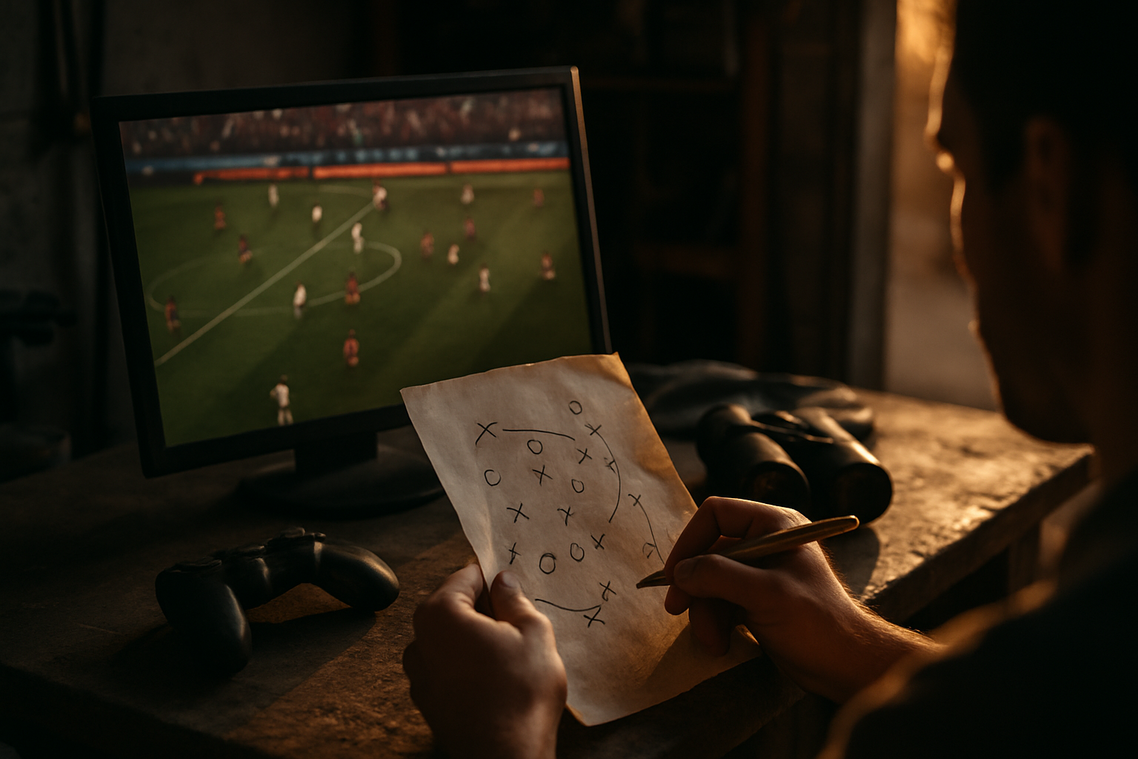
The first 10–15 minutes aren’t flashy, but they’re decisive. Small, repeatable advantages stack up—like interest in a bank account (except this one pays in map control).
The First Two Waves
Start with wave management. Pause your replay at 2:00 and ask:
- Did you maintain equilibrium (keeping the wave balanced near your tower without it hitting the tower)?
- How many uncontested last hits did you miss?
- Were your trades mana-efficient and health-positive?
For example, if you used a 110-mana nuke to secure a 40-gold creep while dropping to half HP, that’s inefficient unless it enabled lane control. Pro tip: track your last hits at minute three. If you’re below expected benchmarks for your hero, identify whether mechanics or pressure caused it.
Cooldown and Resource Tracking
Next, implement strict cooldown tracking. Every time a key spell is used, pause. What is the cooldown? What does that window allow?
If your opponent’s stun has a 14-second cooldown and they just used it to secure a ranged creep, you have a trading window. Step forward. Deny. Harass. Conversely, if your escape spell is down, your positioning must change immediately.
This is a non-negotiable skill in any serious VOD review checklist.
Mapping Decision Points
Now identify pivotal moments—ganks, rune contests, dives. At each, evaluate the information you had at that time, not with hindsight. Were enemy supports missing? Did you check minimap positioning? Often the “bad play” was actually a bad read.
Itemization Checkpoints
Finally, review items at 5, 10, and 15 minutes. Did your components accelerate your power spike or just feel comfortable? A casual stat item might feel safe—but did it counter their kill threat? Question every purchase. That’s how early-game execution becomes deliberate, not accidental.
Macro-Level Evaluation: Winning the Map, Not Just the Skirmish
Once lanes dissolve, the real game begins. Micro wins feel good, but macro wins championships (just ask any TI-winning roster). In fact, analysis of professional Dota 2 matches shows that teams with earlier tier-one tower advantages convert that lead into Roshan control over 60% of the time, according to aggregated tournament stats from recent DPC seasons. That’s not coincidence—that’s map pressure translating into objectives.
So how do you evaluate macro correctly? Use this structured approach:
-
Systematic Map Reading
At two-minute intervals, pause your replay and look only at the minimap. Based on visible heroes and creep equilibrium (the balanced position of waves), predict enemy locations. If three heroes show top and mid waves are pushing in, bottom jungle is likely unsafe. Over time, this builds pattern recognition backed by observable data—not guesswork. -
Objective Control Analysis
For every tower, Roshan, or high-ground attempt, ask: Did you establish vision first? Studies of pro replays show teams placing deep wards before objectives increase fight win rates significantly. If your initiation was reactive, you were already behind in tempo (the pace at which a team dictates play). -
The Team Fight Autopsy
Slow fights down. Evaluate positioning, target priority, and cooldown efficiency. If Black King Bar is used defensively before key spells are drawn, that’s a resource loss measurable in fight impact. -
Economic Efficiency Audit
Track pathing between engagements. Even 20 seconds of idle movement per minute compounds into thousands of lost net worth by 30 minutes.
Use a VOD review checklist to standardize this process. And if you’re refining team coordination, study this scrim structure guide for amateur and semi pro teams.
Some argue mechanics alone carry games. Yet data consistently shows coordinated objective control outperforms isolated outplays. Win the map, and the skirmishes follow.
Analysis without action is trivia. Application is rank.
Start with the One Thing Rule. After every session, review your VOD review checklist and isolate the single most repeatable mistake. Not three. Not a wishlist. One. By narrowing your focus for the next 5–10 games, you give your brain a clear target, which accelerates habit formation and boosts win consistency.
Next, build a drill around it. If map awareness slipped, use a 10‑second timer cue. If last-hitting faltered, grind 10 minutes in a lobby first. Small, specific reps compound into sharper decisions, steadier mechanics, and more confident queues. That’s real improvement.
Transforming Your Gameplay One VOD at a Time
You started this because you’re tired of grinding match after match without seeing real improvement. That frustration of knowing you could be better—but not knowing exactly what to fix—ends when you approach each replay with intention.
By preparing properly, breaking down both micro and macro decisions, and applying what you learn immediately, you turn every match into a stepping stone instead of a guessing game. Use the VOD review checklist exactly as it is given and commit to reviewing one match today.
Stop spinning your wheels. If you’re serious about climbing, sharpening your decision-making, and playing with pro-level clarity, start your next VOD review now and transform your gameplay one match at a time.
 Founder
Tavien Eldricson is the kind of writer who genuinely cannot publish something without checking it twice. Maybe three times. They came to hot topics in gaming through years of hands-on work rather than theory, which means the things they writes about — Hot Topics in Gaming, Doto2 Meta Shifts and Hero Counters, Moll Gaming Tactics and Strategies, among other areas — are things they has actually tested, questioned, and revised opinions on more than once.
That shows in the work. Tavien's pieces tend to go a level deeper than most. Not in a way that becomes unreadable, but in a way that makes you realize you'd been missing something important. They has a habit of finding the detail that everybody else glosses over and making it the center of the story — which sounds simple, but takes a rare combination of curiosity and patience to pull off consistently. The writing never feels rushed. It feels like someone who sat with the subject long enough to actually understand it.
Outside of specific topics, what Tavien cares about most is whether the reader walks away with something useful. Not impressed. Not entertained. Useful. That's a harder bar to clear than it sounds, and they clears it more often than not — which is why readers tend to remember Tavien's articles long after they've forgotten the headline.
Founder
Tavien Eldricson is the kind of writer who genuinely cannot publish something without checking it twice. Maybe three times. They came to hot topics in gaming through years of hands-on work rather than theory, which means the things they writes about — Hot Topics in Gaming, Doto2 Meta Shifts and Hero Counters, Moll Gaming Tactics and Strategies, among other areas — are things they has actually tested, questioned, and revised opinions on more than once.
That shows in the work. Tavien's pieces tend to go a level deeper than most. Not in a way that becomes unreadable, but in a way that makes you realize you'd been missing something important. They has a habit of finding the detail that everybody else glosses over and making it the center of the story — which sounds simple, but takes a rare combination of curiosity and patience to pull off consistently. The writing never feels rushed. It feels like someone who sat with the subject long enough to actually understand it.
Outside of specific topics, what Tavien cares about most is whether the reader walks away with something useful. Not impressed. Not entertained. Useful. That's a harder bar to clear than it sounds, and they clears it more often than not — which is why readers tend to remember Tavien's articles long after they've forgotten the headline.