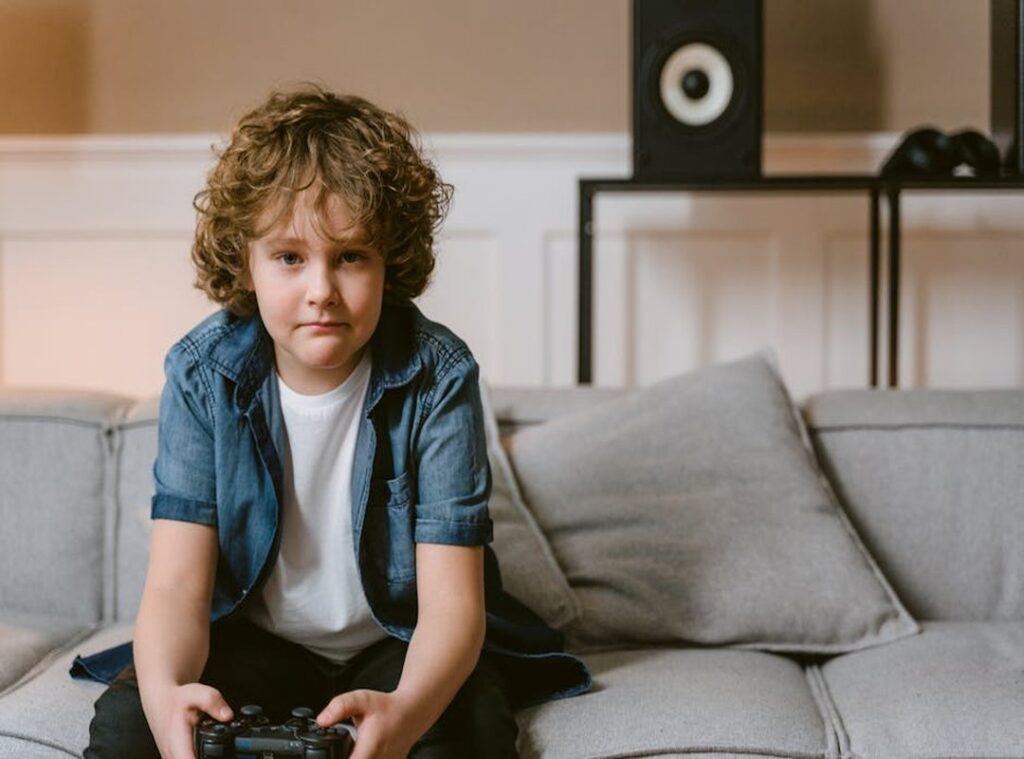
You’ve heard it before.
Gaming is a waste of time.
I’ve heard that line in job interviews. In parent-teacher conferences. At dinner with people who haven’t touched a controller since 2004.
It’s tired. It’s wrong. And it ignores what’s actually happening when you play.
Why Gaming Is Good for You Thehakegamer isn’t about hand-eye coordination or reflexes. Those are surface-level.
This is about focus that lasts six hours straight. About decision-making under pressure. About building trust in teams you’ve never met.
I’ve played competitively. I’ve coached new players. I’ve watched friends go from anxious to confident (not) in spite of gaming, but because of it.
Science backs this up. Not the vague kind. The real studies.
The ones measuring attention spans, emotional regulation, problem-solving speed.
You’re not just passing time. You’re training.
And this article shows you how. Without fluff, without hype, and without pretending gaming is therapy.
It’s better than that.
Cognitive Upgrades: Gaming Isn’t Just Fun (It’s) Training
I used to think gaming was just escape. Then I played Factorio for 87 hours straight and realized my brain had rewired itself.
Solving environmental puzzles in The Legend of Zelda isn’t filler. It’s real-time logic training. You see a gap, a lever, a weight.
Then you connect them. No tutorial tells you how. You figure it out or you don’t progress.
That’s problem-solving under constraint. Not theory. Not homework.
Actual stakes.
Ever tried managing three supply lines while fending off a Zerg rush in StarCraft II? Your hands sweat. Your pulse jumps.
And yet (you) choose. You prioritize. You cut losses.
That’s not reflex. That’s decision-making muscle being built.
(Yes, it feels like panic. But your brain is learning speed + consequence.)
Open-world games like Elden Ring force spatial reasoning without hand-holding. No minimap ping every five seconds. You learn landmarks.
You estimate distance. You build mental maps. And update them when you get lost (which you will).
I got turned around in Liurnia for two hours. Then I stopped checking the map. Started noticing tree shapes, cliff angles, sound cues.
My spatial awareness improved. Not magically. Just from doing it.
League of Legends demands attention stacking. Enemy cooldowns. Ally positions.
Jungle timers. Objective spawns. All at once.
You don’t “multitask.” You track. You filter noise. You hold six things in working memory (and) act on the right one.
Why Gaming Is Good for You Thehakegamer isn’t just a headline. It’s what happens when you play with intention.
Thehakegamer covers this stuff. Not as hype, but as observable behavior.
Some people still call it “wasting time.”
I call it cognitive cross-training.
You decide.
Building Emotional Resilience, One ‘Game Over’ at a Time
I died 47 times in the first boss of Celeste. Then I got up. Again.
That’s not frustration. That’s productive failure. Learning what doesn’t work so you stop doing it.
Dark Souls doesn’t punish you for dying. It punishes you for not watching, not adjusting, not breathing.
You don’t “get good” by avoiding mistakes. You get good by surviving them.
Stardew Valley taught me patience in ways no self-help book ever could.
Plant the seeds. Water them. Wait.
Watch rain fall on crops you can’t harvest yet.
No instant results. No cheat codes for time.
You learn to sit with uncertainty. To trust the process. Even when nothing seems to be happening.
Competitive games? They’re emotional regulation boot camps.
Losing a ranked match in Rocket League feels awful. But the ones who last? They mute the chat.
Breathe. Reset their grip on the controller.
They know anger makes you predictable. Calm makes you dangerous.
Narrative games hit different.
In The Last of Us, I didn’t just watch Joel grieve. I carried his daughter across a ruined country (and) chose to lie about it.
That choice sat with me for days.
It wasn’t about winning. It was about carrying someone else’s weight long enough to feel its shape.
Why Gaming Is Good for You Thehakegamer isn’t some fluff headline. It’s what happens when you let a game ask hard questions (and) actually answer them with your actions.
You can read more about this in Best Gaming Tricks.
Not every game does this.
Most don’t.
But the ones that do? They rewire how you handle real-life setbacks.
You start seeing “failure” as feedback. Not fate.
You stop expecting immediate payoff.
You learn to pause before reacting.
You practice empathy like it’s a muscle. Because it is.
And yeah (sometimes) you rage-quit.
(We’ve all been there.)
But more often? You restart. You try again.
Guild Leaders Run Real Teams

I’ve led raids in World of Warcraft. I’ve called shots in Valorant ranked. And no.
I didn’t learn those skills in business school.
Clear communication isn’t optional in a 40-person raid. It’s the difference between wiping and clearing the boss. You say “tank swap now” or you say nothing (and) someone dies.
Same in Valorant. One misheard call means a spike gets defused. No second chances.
That’s not just gaming. That’s real-time decision-making under pressure.
Guild leaders manage people (not) NPCs. They handle conflict, schedule shifts, assign roles, and keep morale up when the loot drops wrong. Sound familiar?
It should. That’s management.
I’ve fired inactive members. I’ve mediated guild drama over Discord at 2 a.m. (yes, really).
And it taught me more about accountability than any HR seminar.
Every new game is a crash course in systems thinking. Minecraft forces resource budgeting. Factorio teaches pipeline logic. Civilization drills long-term tradeoffs.
You don’t get a manual. You learn by doing (or) failing fast.
Adaptability isn’t a buzzword here. It’s how you survive week one of Elden Ring’s open world.
Survival games train budgeting better than Excel ever could. You count wood, torches, health potions. Then decide: do I craft armor now or save for a better weapon later?
That’s not play. That’s practice.
Why Gaming Is Good for You Thehakegamer isn’t some fluffy headline. It’s what happens when you treat gameplay like work. And work like play.
Want actual shortcuts? Not theory. Not fluff.
Just what works. Best Gaming Tricks Thehakegamer
Most people think leadership starts with a title.
It doesn’t. It starts with saying “I’ll take point” in voice chat.
And meaning it.
Unlocking Creativity and Mastering Goals
I build things in Minecraft when my brain feels stuck. Not houses. Bridges over lava.
Redstone contraptions that do nothing useful. It’s dumb. And it works.
Sandbox games are digital clay. You don’t follow a script. You test.
You fail. You rebuild. Tears of the Kingdom doesn’t hand you a solution.
That’s not play. That’s rehearsal for real problem-solving.
It hands you physics, time, and a sword. Then waits.
Achievements? They’re not trophies. They’re goal scaffolding.
Beat Ganondorf? No. First: find three sacred springs.
Then: upgrade your armor. Then: survive the final climb. Your brain learns to chunk big messes into steps.
You already know this. You’ve done it. Why does that feel harder with “get promoted” or “write a book”?
Here’s the tip: Pick one real goal. Write down the exact in-game achievement it mirrors. Then copy the same checkpoint logic.
No vague “try harder.” Just: what’s the first tangible thing you do before anything else?
That’s how you stop waiting for motivation. You start building the next block.
If you want proof this isn’t just me talking (check) out How online gaming has evolved thehakegamer. Why Gaming Is Good for You Thehakegamer isn’t hype. It’s observation.
And it’s backed by how people actually behave when given tools (not) instructions.
Press Start on Your Personal Growth
I used to feel guilty about gaming too.
Then I paid attention.
Gaming isn’t passive. It’s training. You’re building real skills (not) just reflexes.
But focus, adaptability, and how to read people in high-stakes moments.
That shame? It’s not yours to carry. It’s leftover noise from people who’ve never held a controller in anger (or) joy.
You already know this. You felt it when you rallied your team after a loss. When you solved that puzzle no walkthrough could crack.
When you stayed calm during a raid wipe (and) led the reset.
Why Gaming Is Good for You Thehakegamer proves it’s not fantasy. It’s function.
So tonight (open) your favorite game. Pause after five minutes. Ask yourself: What skill just got stronger?
Then play like you mean it.
Because you do.