
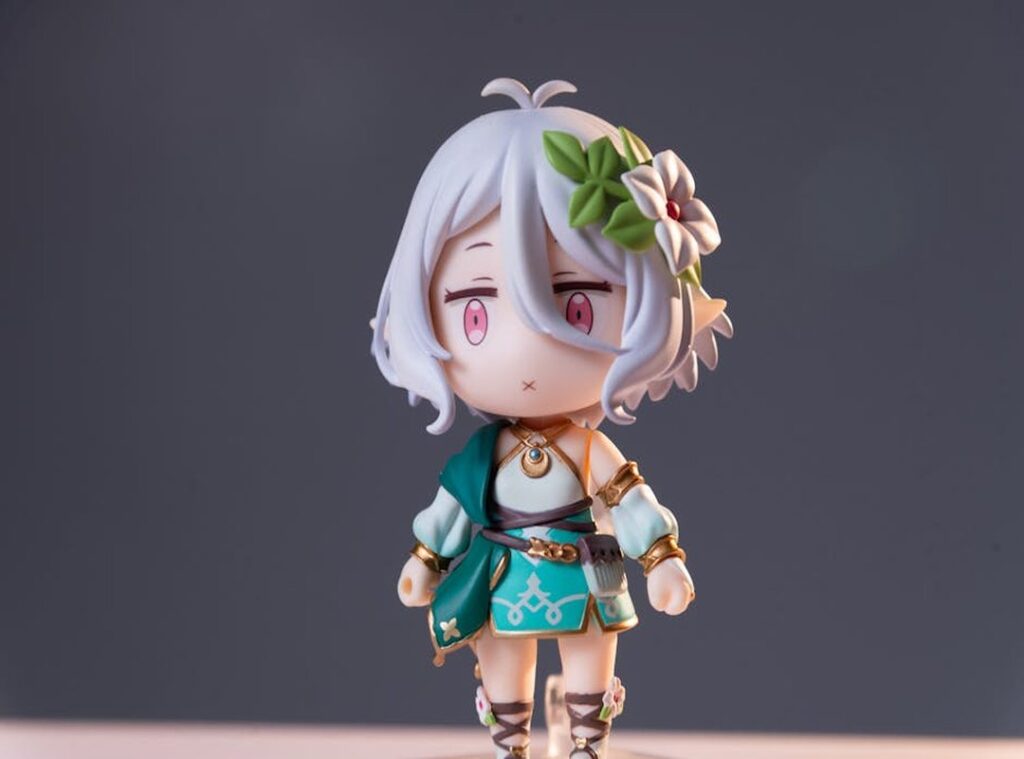
Drawing chibi kawaii characters can be a real challenge. You want them to be cute and expressive, but getting the proportions and poses right isn’t always easy. I’ve been there, trying to make those tiny, adorable figures look just right.
That’s why I’m sharing some tips on poses chibi kawaii bases de dibujo. It’s all about finding the right references and using them effectively. Trust me, with the right guidance, you’ll see a big improvement in your drawings.
So, let’s dive in, shall we?
Understanding Chibi Kawaii Style
Chibi kawaii is all about the cuteness. Large heads, small bodies, and those adorable expressions make it unique and appealing.
Proportions are key. The head is usually one-third to half the size of the entire body. Facial features are simple but expressive—big eyes, tiny noses, and small mouths.
Body language is playful and exaggerated, adding to the charm.
Where did this style come from, and it evolved from Japanese manga and anime. Over time, it became a global phenomenon, loved by artists and fans alike.
If you’re new to chibi kawaii, start with the basics. Try drawing poses chibi kawaii bases de dibujo. It’s a great way to get a feel for the style.
Experiment with different facial expressions. A slight change in the eyes or mouth can completely transform the character’s mood.
Don’t be afraid to play around with proportions. That’s what makes chibi kawaii so fun and unique.
Essential Tools and Materials
Let’s get down to the nitty-gritty. If you’re starting out, pencils, erasers, sketchbooks, and markers are your best friends.
Digital tools? You can’t go wrong with a good tablet and stylus. Software like Procreate or Clip Studio Paint is a must.
Now, reference materials, and where do you find them? Google Images, Pinterest, and even Instagram.
Use them to study anatomy, poses, and expressions.
Pro tip: Poses chibi kawaii bases de dibujo are great for beginners. They give you a solid foundation to build on.
Remember, the key is to practice, and a lot. And don’t be afraid to experiment.
Basic Chibi Kawaii Proportions
When it comes to drawing chibi kawaii characters, the head-to-body ratio is crucial. Typically, you’ll see a 2:1 or 3:1 head-to-body ratio. This means the head is much larger compared to the body, giving that adorable, oversized look.
Next, let’s talk about facial features , and the eyes, nose, and mouth are key. Place the eyes big and round, usually in the middle of the face.
The nose is often just a small dot, and the mouth can be a simple line or a tiny smile. This creates a cute and expressive look.
For the body structure, keep it simple. Simplify the limbs and torso to maintain the chibi kawaii style. Think of them as basic shapes—circles for the hands and feet, ovals for the arms and legs.
- Start with a circle for the head.
- Add a smaller oval or rectangle for the body.
- Sketch simple lines for the arms and legs.
- Add details like clothing and accessories last.
Using poses chibi kawaii bases de dibujo can help you get the proportions right. These pre-made templates give you a starting point and make it easier to experiment with different poses and expressions.
What’s next? You might be wondering how to add more personality to your chibi characters. Try playing with different facial expressions and dynamic poses.
A slight tilt of the head or a playful wink can make all the difference.
Creating Dynamic Poses
Drawing chibi characters in motion can be a lot of fun. Think of it like choreographing a dance—each pose tells a part of the story.
Action Poses: When you’re drawing chibi characters running, jumping, or dancing, imagine them as tiny, energetic marionettes. Their movements are exaggerated, and their limbs are always in motion. It’s all about capturing that burst of energy.
Emotional Poses: Capturing different emotions through body language and facial expressions is key. A chibi character’s face might be simple, but a tilted head, wide eyes, or a slumped posture can convey a lot. It’s like using a few brushstrokes to paint a whole picture.
Interaction Poses: Drawing chibi characters interacting with each other or objects adds depth. It’s like setting up a scene in a play. How they lean, point, or hold hands can tell a story without words.
Using poses chibi kawaii bases de dibujo can help you get started. These templates give you a solid foundation, much like a recipe for a cake. You can add your own flair and details to make each character unique.
When you’re working on these poses, remember to keep it simple. Chibi characters are all about minimalism and charm. Don’t overcomplicate it.
And if you’re into gaming, check out the trends in how games are evolving. It’s fascinating to see how character design and storytelling in games can inspire your own art.
Using Reference Poses Effectively

Finding the right references can be a game-changer. I often turn to online databases, books, and tutorials for chibi kawaii reference poses. These resources are like a treasure trove of inspiration.
Adapting References: Once you have your references, it’s time to make them your own. How do you modify and customize these poses to fit your character’s style and personality? It’s all about tweaking the details.
Maybe your character has a quirky way of standing or a unique expression. Play with those elements until they feel just right.
Practicing with References: Consistent practice is key. Set aside time each day to work on different poses. (Think of it like training for a marathon, but for your drawing skills.) Use poses chibi kawaii bases de dibujo to keep things fresh and challenging.
Remember, improvement takes time. Don’t get discouraged if your first attempts don’t look perfect. Keep at it, and you’ll see progress.
Adding Details and Finishing Touches
Clothing and Accessories: Designing and adding outfits and accessories to enhance the character’s look. It’s all about making your chibi kawaii characters stand out.
Backgrounds and Scenes: Creating simple yet effective backgrounds to complement your chibi kawaii characters. You don’t need to go overboard; a few well-placed elements can do wonders.
Coloring and Shading: Techniques for adding color and depth to your drawings. This is where you bring your characters to life, giving them that extra pop.
I think we’ll see more artists experimenting with poses chibi kawaii bases de dibujo in the future. It’s a great way to add personality and movement to your characters.
Speculating a bit, I believe there will be a trend towards more interactive and dynamic backgrounds. Simple, but with just enough detail to make the scene feel complete.
And let’s not forget about the importance of color. Bold, vibrant colors are going to be key. They make your characters jump off the page and grab attention.
In the end, it’s all about finding a balance. You want your characters to be detailed and interesting, but not so complex that they lose their charm.
Perfecting Your Chibi Kawaii Drawings
poses chibi kawaii bases de dibujo are crucial for creating dynamic and expressive characters. They help in understanding the proportions and movements that make these tiny, cute figures come alive on paper. By following the steps and tips provided, you can master the art of chibi kawaii drawing.
Practice regularly and don’t be afraid to experiment. This will help you develop your unique style. Bringing your chibi kawaii characters to life is a rewarding journey.
 Content Strategist
Brenda Ojedalian is the kind of writer who genuinely cannot publish something without checking it twice. Maybe three times. They came to competitive match prep guides through years of hands-on work rather than theory, which means the things they writes about — Competitive Match Prep Guides, Dota-Inspired Playstyle Breakdowns, Doto2 Meta Shifts and Hero Counters, among other areas — are things they has actually tested, questioned, and revised opinions on more than once.
That shows in the work. Brenda's pieces tend to go a level deeper than most. Not in a way that becomes unreadable, but in a way that makes you realize you'd been missing something important. They has a habit of finding the detail that everybody else glosses over and making it the center of the story — which sounds simple, but takes a rare combination of curiosity and patience to pull off consistently. The writing never feels rushed. It feels like someone who sat with the subject long enough to actually understand it.
Outside of specific topics, what Brenda cares about most is whether the reader walks away with something useful. Not impressed. Not entertained. Useful. That's a harder bar to clear than it sounds, and they clears it more often than not — which is why readers tend to remember Brenda's articles long after they've forgotten the headline.
Content Strategist
Brenda Ojedalian is the kind of writer who genuinely cannot publish something without checking it twice. Maybe three times. They came to competitive match prep guides through years of hands-on work rather than theory, which means the things they writes about — Competitive Match Prep Guides, Dota-Inspired Playstyle Breakdowns, Doto2 Meta Shifts and Hero Counters, among other areas — are things they has actually tested, questioned, and revised opinions on more than once.
That shows in the work. Brenda's pieces tend to go a level deeper than most. Not in a way that becomes unreadable, but in a way that makes you realize you'd been missing something important. They has a habit of finding the detail that everybody else glosses over and making it the center of the story — which sounds simple, but takes a rare combination of curiosity and patience to pull off consistently. The writing never feels rushed. It feels like someone who sat with the subject long enough to actually understand it.
Outside of specific topics, what Brenda cares about most is whether the reader walks away with something useful. Not impressed. Not entertained. Useful. That's a harder bar to clear than it sounds, and they clears it more often than not — which is why readers tend to remember Brenda's articles long after they've forgotten the headline.