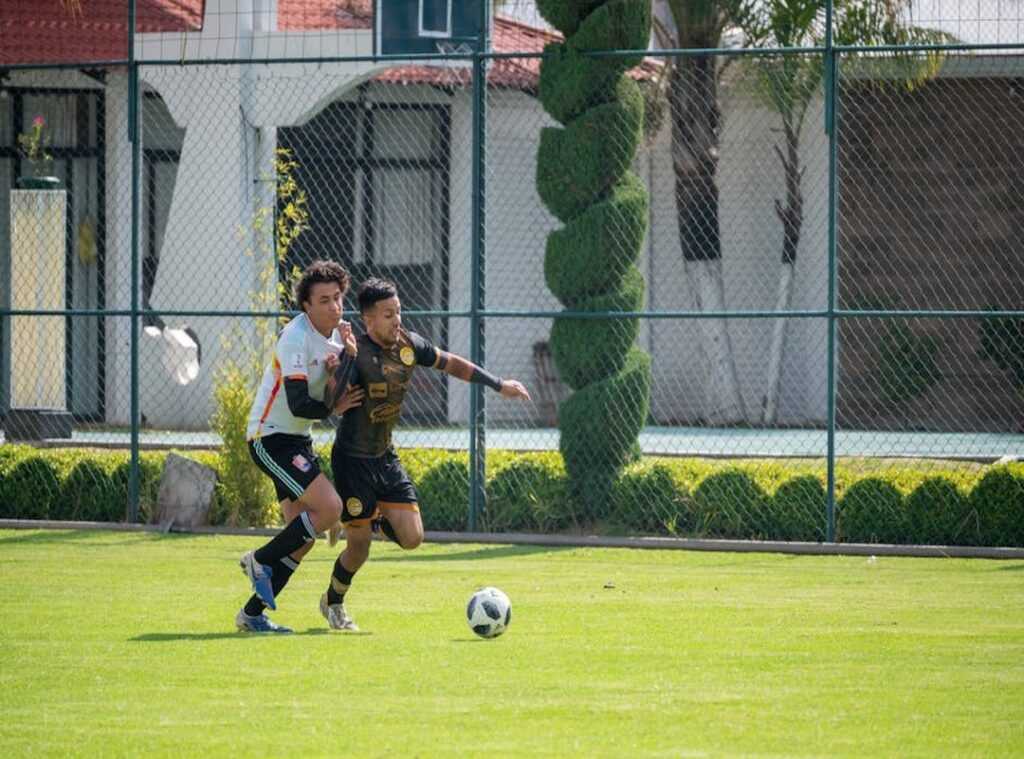
We’ve all been there, right? Watching your team’s key player get knocked out early. It’s frustrating because the match feels over before it’s even started.
Most gamers dive into battles headfirst, thinking aggression is the key. But guess what? It’s not.
Winning consistently demands more than just a good offense. It’s about mastering the art of defense and enabling your teammates to shine. You’ve seen it in those high-level matches where subtle choices turn the tide.
That’s what we’re diving into here.
I’ve analyzed thousands of these matches. It’s all about the decisions that don’t make the highlight reel. Trust me, you’re about to learn some game-changing defensive plays strategies.
These aren’t just tips. They’re actionable strategies that will boost your survival and skyrocket your team’s win rate. Ready to transform your gameplay?
The Protective Mindset: From Hunter to Guardian
You might think defensive plays strategies are all about hiding, but you’re wrong. It’s about proactive protection. Imagine you’re not just a player; you’re a bodyguard.
Your mission is to let your team’s win conditions, like making sure the VIP gets away unscathed. You don’t just block bullets; you manage the chaos so your core players can thrive.
Now, contrast this with a purely aggressive mindset. Sure, aggression gets you kills, but protection wins games. Why?
Because your life is a resource, a currency. You trade it not for kills but for something far more valuable: your team’s success. Think about it.
When you dive into chaos, you’re not just throwing yourself away; you’re buying space and time for your carry to shine.
The core principle here is strategic sacrifice. Does this mean you never fight? Hardly.
You end fights decisively when threats appear. This isn’t about avoiding conflict; it’s about choosing the right ones. For more on this approach, check out the Winning Support Roles Moll Guide.
So, are you still thinking like a hunter? Or are you ready to guard what truly matters?
The Trinity of Survival: Stay Sharp, Stay Safe
Positioning is everything. I mean it. Picture this: you’re on the edge of a fight, just out of sight, using terrain like trees or high ground.
You’re close enough to help your team but far enough to avoid becoming the primary target. It’s a balancing act. Almost like standing on a cliff and knowing when to step back.
Ever noticed how the best players always seem to be one step ahead? That’s positioning.
Vision is more than just seeing. It’s a defensive weapon. Think of it like setting up cameras in your backyard that catch intruders before they get close.
You need to place defensive wards to spot incoming enemy movements. Forget about the offensive ones. Those are for spotting enemies in their own territory.
The real trick is carrying sentry wards. You deny enemy vision like a boss, giving your team the upper hand. It’s a bit like studying football defensive schemes: 11 important fronts and … to anticipate and counter the opponent’s plan.
Now, let’s talk about map awareness. This is where the real pros shine. You need to check the mini-map every five to ten seconds.
A bit obsessive, right? But it’s key. Anticipating ganks becomes second nature.
Notice which enemies are missing and where they were last seen. A protector doesn’t just watch their hero; they play by watching the map. It’s like having a bird’s-eye view of the battlefield.
Knowing all this lets you execute defensive plays strategies that keep you ahead of the game.
To survive and thrive, you need to combine these elements. It’s not just about reacting; it’s about predicting. So, are you ready to step up your game?
Your Protector’s Toolkit: Game-Winning Items and Abilities
Let’s talk about defensive plays strategies. You know, when you’re in the heat of battle and need to save your team rather than gun for that flashy kill. Trust me, I’ve been there.
It’s not just about who gets the most kills (sometimes,) it’s about who saves the day.
Start with repositioning and escape items. You might think Glimmer Cape and Force Staff are just for getting out of sticky situations. But they’re more than that.
Use them on allies who are stunned or slowed to get them out of harm’s way. That one move can completely change the tide of a fight. And isn’t that what you want?
Next up, sustain and saves. Mekansm, Guardian Greaves, and Lotus Orb aren’t just shiny gear to fill your inventory. Timing is everything.
Pop Mekansm or Guardian Greaves during a team fight when everyone’s health is low. It’s like giving your team a second wind. And Lotus Orb?
Reflect those pesky spells right back at them.
Now, let’s chat about information. Ghost Scepter and Aeon Disk are your go-to items for surviving initial burst damage. They keep you in the fight longer, which means more time to use your abilities.
And that’s key when you’re the one keeping your team alive.
Pro tip: Always think about save vs. secure mentality. Using a solid stun to protect your carry from an enemy ultimate can sometimes mean more than taking out a low-priority support.
Of course, if you’re looking to mix it up with some aggressive tactics quick victories, there’s plenty to learn there too. But for now, focus on these strategies and watch your team thrive.
Advanced Tactics: Bait, Counter, Sacrifice
Let’s talk about baiting. It’s like being the cheese in a mousetrap. You show yourself in a lane, looking like a juicy target, just asking for the enemy to blow their major spells on you.
Why? Because those long-cooldown ultimates are a nightmare to deal with when they’re not on your side. When done right, this baiting can lead to a glorious turnaround (who doesn’t love a good comeback?).
Your team just needs to be ready to pounce once the enemy takes the bait. It’s not just about looking vulnerable; it’s about setting the stage for a win.
Now, counter-initiation is where things get really interesting. It’s not just about waiting and reacting. No, it’s about being a step ahead.
When the enemy makes their move, you don’t just stand there. You turn the tables. It’s like having a shield that blocks a punch but hits them back twice as hard.
The key is positioning. Be in the right place at the right time, and you can flip any aggressive play against them. It feels like sweet justice.
If your death means a core hero stays alive and secures an objective, it’s worth it. Think of it as an investment. You’re trading your life for the greater good.
Then there’s the sacrificial play. This one’s tough. No one wants to die in-game, but sometimes it’s the best move.
But be smart about it. Don’t just throw yourself into the fray without a plan. Know when your death can turn the tide.
That’s a plan in itself.
So, here’s my take. Master these defensive plays strategies, and you’ll see a real difference in your game. Make them second nature.
You might even start enjoying the thrill of turning tables.
Defense: Your Secret Weapon
You’ve got the tools now. Turning defense into offense isn’t just smart. It’s important.
Nobody likes feeling helpless with their key teammates down. defensive plays strategies shine. Mastering positioning and itemization puts you in control. You dictate the game, not the other way around.
Next match, pick just one plan. Watch how it transforms your play. Keeping your team alive is your ticket to victory.
Trust me, it works. Ready to stop losing and start winning? Dive into these tactics now.
Need proof? We’re the go-to for gaming strategies. Try it yourself and dominate.
 Community Manage
Lee Hirschaken is the kind of writer who genuinely cannot publish something without checking it twice. Maybe three times. They came to competitive match prep guides through years of hands-on work rather than theory, which means the things they writes about — Competitive Match Prep Guides, Dota-Inspired Playstyle Breakdowns, Doto2 Meta Shifts and Hero Counters, among other areas — are things they has actually tested, questioned, and revised opinions on more than once.
That shows in the work. Lee's pieces tend to go a level deeper than most. Not in a way that becomes unreadable, but in a way that makes you realize you'd been missing something important. They has a habit of finding the detail that everybody else glosses over and making it the center of the story — which sounds simple, but takes a rare combination of curiosity and patience to pull off consistently. The writing never feels rushed. It feels like someone who sat with the subject long enough to actually understand it.
Outside of specific topics, what Lee cares about most is whether the reader walks away with something useful. Not impressed. Not entertained. Useful. That's a harder bar to clear than it sounds, and they clears it more often than not — which is why readers tend to remember Lee's articles long after they've forgotten the headline.
Community Manage
Lee Hirschaken is the kind of writer who genuinely cannot publish something without checking it twice. Maybe three times. They came to competitive match prep guides through years of hands-on work rather than theory, which means the things they writes about — Competitive Match Prep Guides, Dota-Inspired Playstyle Breakdowns, Doto2 Meta Shifts and Hero Counters, among other areas — are things they has actually tested, questioned, and revised opinions on more than once.
That shows in the work. Lee's pieces tend to go a level deeper than most. Not in a way that becomes unreadable, but in a way that makes you realize you'd been missing something important. They has a habit of finding the detail that everybody else glosses over and making it the center of the story — which sounds simple, but takes a rare combination of curiosity and patience to pull off consistently. The writing never feels rushed. It feels like someone who sat with the subject long enough to actually understand it.
Outside of specific topics, what Lee cares about most is whether the reader walks away with something useful. Not impressed. Not entertained. Useful. That's a harder bar to clear than it sounds, and they clears it more often than not — which is why readers tend to remember Lee's articles long after they've forgotten the headline.