
If you’re searching for sharper Dota 2 insights, smarter Moll strategies, and a clearer understanding of the current meta, you’re in the right place. The competitive landscape shifts fast—patch updates, hero balance changes, and evolving pro drafts can completely redefine how the game is played. This article breaks down the most impactful meta trends, key hero priorities, and practical adjustments you can apply immediately in your own matches.
We analyze recent high-MMR games, study pro-level match preparations, and compare evolving playstyles across regions to separate hype from what actually wins games. Inside, you’ll find detailed hero role explanations, timing-based decision frameworks, and teamfight positioning tips that translate directly into higher-impact plays.
Whether you’re grinding ranked or preparing for coordinated team competition, this guide is built to give you clarity, structure, and a competitive edge in today’s Dota 2 environment.
Why Positioning Wins Games
Positioning means choosing where your character stands before and during a fight. Think of it as controlling space—the invisible grid that determines who can deal damage safely and who gets caught out (yes, even with better items).
Many players blame bad teammates when they lose with a gold lead. In reality, they stood too far forward, too clumped, or without vision. That mistake erases advantages fast.
To simplify, ask:
- Who can reach me, and who can I reach?
Mastering these teamfight positioning tips helps you see threats early, protect allies, and turn edges into decisive victories.
Positioning in a teamfight can be visualized as a triangle—three roles, three responsibilities, one objective: control.
The Frontline (The Anchor)
First, the frontline consists of tanks and initiators. A tank is a hero built to absorb high amounts of damage, while an initiator starts fights with crowd control (abilities that stun, slow, or displace enemies). Their job is to create space—meaning they stand between danger and their allies, forcing enemies to hit them first. Ideally, they position between the backline and the enemy’s threats, controlling the enemy’s advance.
The Backline (The Artillery)
Next comes the damage dealers and supports. Think of them as artillery in a strategy game (yes, the glass cannons). Their goal is maximum damage or healing from a safe distance. They stay behind the frontline, using them as a shield, maintaining range from enemy divers.
The Flank (The Dagger)
Finally, assassins and gankers operate on the edges. Flanking means approaching from an angle, often through fog of war. Their mission is to bypass the frontline and eliminate high-priority targets.
Use teamfight positioning tips in the section once exactly as it is given
So what’s next? Start reviewing replays and ask: which corner of the triangle failed first?
Mastering the Map: Using Terrain as a Weapon
I learned this the hard way during a ranked grind: we were ahead, confident, maybe a little cocky. Then we face-checked high ground without vision. Wiped. Game over. That’s when it clicked—VISION IS KING.
If you can’t see the enemy, you can’t position correctly. Vision control means placing wards (map items that grant sight in an area) or using abilities to reveal hidden zones. When you control vision, you dictate engagements. You set ambushes. You avoid being caught farming alone (we’ve all been there).
Some argue mechanics matter more than map awareness. Sure, flashy plays look great on highlight reels. But even the best mechanical player loses fights they walk into blind. Vision turns chaos into calculated aggression.
The High Ground Advantage
High ground provides superior sight range and, in many games, forces enemies attacking uphill to risk misses or delayed targeting. That tiny edge wins fights. Think river ramps, jungle cliffs, or Roshan pit edges—classic power positions. PRO TIP: If you’re defending, stall on high ground and force them to commit uphill.
Choke Point Control
Choke points are narrow paths that funnel enemies together. This clustering makes area-of-effect abilities devastating. HOWEVER, getting trapped inside one flips the advantage. Position slightly outside the bottleneck so you can engage without being boxed in.
Abusing Line of Sight
Trees, pillars, and walls block vision. Duck behind them to break ranged attacks while still casting spells. It feels unfair (because it kind of is).
Mastering terrain isn’t optional—it’s foundational, just like applying objective control strategies that win more ranked matches and refining your teamfight positioning tips.
Winning a fight is rarely about raw damage; it’s about movement. When you understand how to reposition mid-fight, you stop reacting and start controlling the pace. That control is what turns chaotic skirmishes into calculated victories.
Kiting vs. Chasing
Kiting and chasing are core movement concepts. Kiting means attacking while retreating to maintain safe distance from a melee threat. You deal damage without giving them clean access. Chasing is closing the distance on a fleeing enemy without overextending into their team. Master both and you gain the advantage of dictating engagement range, forcing mistakes, and preserving your own health.
The Cooldown Clock
Positioning should be dynamic based on ability cooldowns. When your ultimate or escape tool is available, you can step forward aggressively. When those buttons are down, you create distance and buy time. Tracking this rhythm gives you predictable windows of power, which is one of the most overlooked teamfight positioning tips in competitive play.
Threat Assessment
Your position must shift with the primary threat. If an assassin burns their gap-closer on your fellow carry, that’s your green light to step up and pressure. If you’re the target, your priority becomes space creation. Repositioning intelligently increases survivability, protects your damage output, and turns every fight into a winnable scenario instead of a coin flip.
Players who master this flow feel calmer under pressure and capitalize on openings others miss. Instead of panicking, you evaluate, adjust, and strike. That clarity compounds over matches, translating into more consistent wins and smarter decision-making. Small adjustments create massive competitive advantages quickly.
Building Better Instincts: A Positioning Checklist
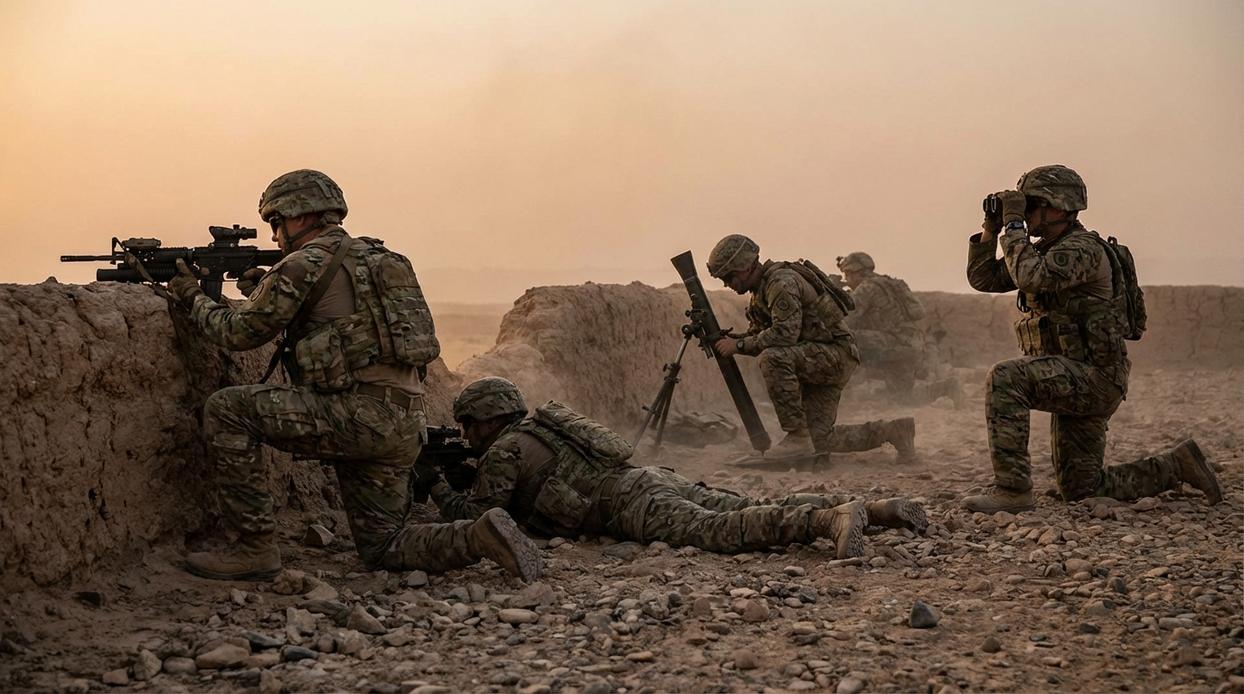
Great positioning isn’t luck—it’s a repeatable mental checklist you run until it feels automatic.
Pre-Fight Mental Scan
Before spells start flashing and the screen fills with color, pause for three seconds. Ask:
- Where is their assassin?
- What key ultimates have they used?
- Do I have an escape path?
You might think instinct alone is enough. Some players argue overthinking slows you down. But awareness isn’t hesitation—it’s preparation. When the clash erupts and you hear the bassy thud of a Blink Dagger, you’ll already know where danger breathes.
In-Fight Micro-Adjustments
Fights are loud—steel clashing, spells cracking, health bars melting.
- Am I standing in an enemy AOE?
- Can I move behind a wall for a second?
- Is my support in range to help me?
Small sidesteps change everything. Half a screen back can mean surviving with a sliver of HP instead of staring at gray. (Yes, that 5% health escape feels cinematic.) These are practical teamfight positioning tips that separate chaos from control.
Post-Fight Analysis
After a lost fight, skip the blame. Ask:
- Where was I standing when I died?
- Could a different position have changed the outcome?
Reviewing this builds muscle memory—the quiet kind that wins games before the first spell even lands.
To elevate your gameplay even further, don’t miss our exploration of the Ooverzala Version Of Playing, which offers unique strategies that complement effective teamfight positioning.
Dominate Your Next Dota 2 Match with Smarter Decisions
You came here to sharpen your understanding of Dota 2’s evolving meta, refine your playstyle, and gain an edge before your next queue. Now you have a clearer grasp of hero priorities, strategic adjustments, and the small decisions that separate average players from game-changers.
The biggest frustration for competitive players isn’t effort — it’s feeling stuck. Losing winnable games. Misreading fights. Falling behind because you didn’t adapt fast enough. Mastering meta shifts, drafting with purpose, and applying teamfight positioning tips consistently is what turns close matches into confident wins.
Now it’s time to act. Review your recent matches, identify one positioning mistake or macro misplay, and correct it in your next game. Study high-level drafts, practice intentional rotations, and apply what you’ve learned immediately.
If you’re serious about climbing and outplaying your bracket, dive deeper into our advanced breakdowns and pro-level match preparations. Thousands of competitive players rely on our insights to stay ahead of the meta — start applying them now and take control of your next ranked grind.
 Community Manage
Lee Hirschaken is the kind of writer who genuinely cannot publish something without checking it twice. Maybe three times. They came to competitive match prep guides through years of hands-on work rather than theory, which means the things they writes about — Competitive Match Prep Guides, Dota-Inspired Playstyle Breakdowns, Doto2 Meta Shifts and Hero Counters, among other areas — are things they has actually tested, questioned, and revised opinions on more than once.
That shows in the work. Lee's pieces tend to go a level deeper than most. Not in a way that becomes unreadable, but in a way that makes you realize you'd been missing something important. They has a habit of finding the detail that everybody else glosses over and making it the center of the story — which sounds simple, but takes a rare combination of curiosity and patience to pull off consistently. The writing never feels rushed. It feels like someone who sat with the subject long enough to actually understand it.
Outside of specific topics, what Lee cares about most is whether the reader walks away with something useful. Not impressed. Not entertained. Useful. That's a harder bar to clear than it sounds, and they clears it more often than not — which is why readers tend to remember Lee's articles long after they've forgotten the headline.
Community Manage
Lee Hirschaken is the kind of writer who genuinely cannot publish something without checking it twice. Maybe three times. They came to competitive match prep guides through years of hands-on work rather than theory, which means the things they writes about — Competitive Match Prep Guides, Dota-Inspired Playstyle Breakdowns, Doto2 Meta Shifts and Hero Counters, among other areas — are things they has actually tested, questioned, and revised opinions on more than once.
That shows in the work. Lee's pieces tend to go a level deeper than most. Not in a way that becomes unreadable, but in a way that makes you realize you'd been missing something important. They has a habit of finding the detail that everybody else glosses over and making it the center of the story — which sounds simple, but takes a rare combination of curiosity and patience to pull off consistently. The writing never feels rushed. It feels like someone who sat with the subject long enough to actually understand it.
Outside of specific topics, what Lee cares about most is whether the reader walks away with something useful. Not impressed. Not entertained. Useful. That's a harder bar to clear than it sounds, and they clears it more often than not — which is why readers tend to remember Lee's articles long after they've forgotten the headline.