Ever feel stuck in Dota 2? You’re not alone. We’ve all hit that frustrating skill plateau where raw mechanical skill just isn’t enough.
It’s like you’re playing your best, but still losing. Why? Because you’re missing the strategic layer.
This article is here to fix that. I’ve poured over countless high-level replays, dissected meta shifts, and pinpointed what truly separates the average from the great. You’re about to learn dota aggression tactics that actually work.
From the first creep wave to the final team fight, you’ll gain a roadmap to outsmart opponents. Trust me, this isn’t just theory. It’s practical advice from deep analysis, designed to raise your game.
Ready for that strategic mindset shift? Let’s make winning your new habit.
Mastering Dota Plan: Beyond Clicks
In Dota, plan is your real weapon. It starts long before the game kicks off. Ever thought about your team’s win condition?
Are you pushing hard early or banking on late-game dominance? Knowing this is important because it shapes every move you make.
Let’s talk about resource management. It’s not just about hoarding gold. You need to manage mana, health, cooldowns, and your precious time on the map.
Every decision, from when to use abilities to when to engage in battles, hinges on these resources. Time is one of your most key resources. For every 10 seconds you spend farming, take a second to check the minimap.
Ask: Where are my enemies? Where are my allies?
Map awareness is another key aspect. It’s more than just glancing at the minimap. You need to predict enemy movements based on what you don’t see.
This proactive skill can turn the tide of any match.
By the way, if you’re keen on utilizing high mobility moba games, there’s a lot more to dive into. Dota aggression tactics are all about being one step ahead. And that starts with mastering these fundamentals.
Winning Your Lane: Early Advantage Tactics
Ever heard of “creep equilibrium”? It’s a simple yet solid concept. By pulling and denying creeps, you keep the action closer to your tower.
This makes you safer and your enemy more open to ganks. It’s like having your own personal assistant (or minion) managing the battlefield.
Now, let’s talk about effective trading. It’s all about dealing more damage to your enemy than you take. Imagine using a spell just as they go for a last hit.
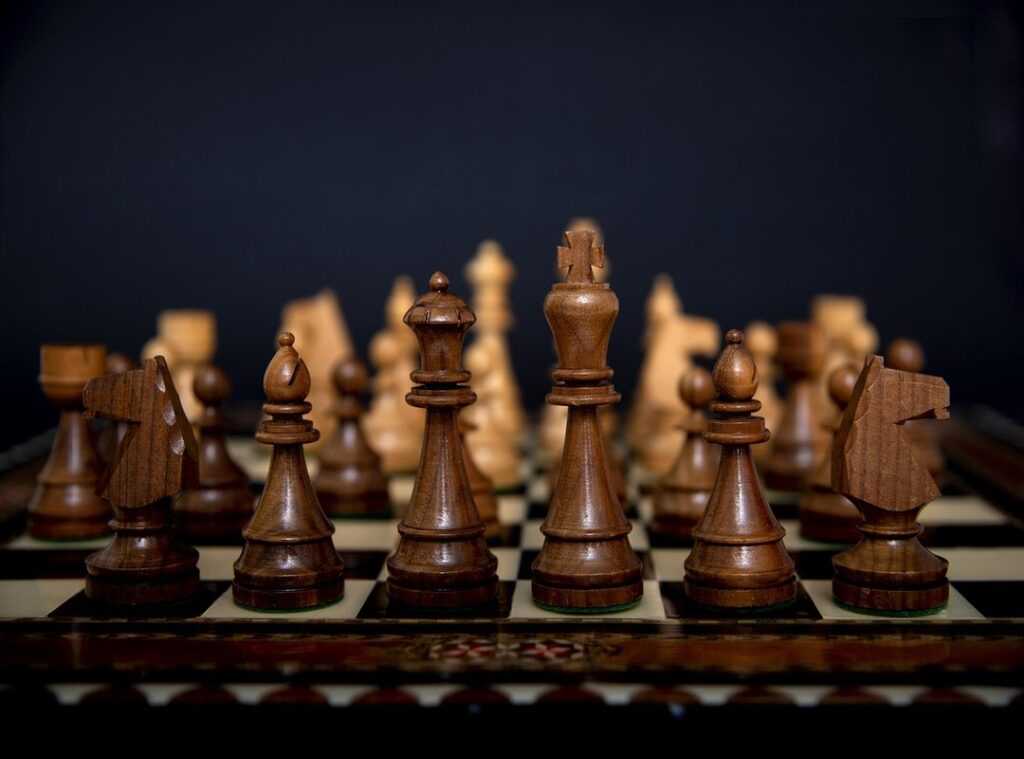
Got the picture? Trading effectively is a skill worth mastering. It’s like a chess match, but with more explosions.
Itemization is another key piece of the puzzle. You need to think about what starting items counter your lane opponent. Facing a high-harass hero?
Grab extra regeneration. A spell-spammer? A magic stick is your best friend.
This isn’t just about survival. It’s about setting the stage for dominance.
Winning your lane isn’t just a short-term victory. It translates into mid-game pressure. A carry with more farm or a mid-laner with a level advantage can dictate the pace of the next 10 minutes.
It’s like having an MVP on your team.
Don’t forget how warding can help you win. Vision is control. And control, in a game like Dota 2, is everything.
So, what’s your next move?
Taking Control: Mastering the Mid-Game with Objectives
The mid-game is where everything gets real. Teams start grouping up, and it’s not just about mindless fighting anymore. Objectives are the name of the game.
Towers? They’re not just structures. They’re gold mines, sources of map control, and teleport hubs.
Losing them means losing grip on the game. So, how do we dominate? Simple.
Organize a 3-4 person push to take down an undefended tower. It’s a straightforward move, yet it swings the momentum.
Now, let’s talk vision. Placing wards isn’t just about lighting up the map. It’s about plan.
Are you defending against ganks, or are you setting up your own ambush? A defensive ward might save your carry from an untimely death. An offensive one could spell doom for the enemy.
For instance, a well-placed ward in their jungle can reveal rotations, making your moves unpredictable.
Ever heard of ‘Smoke of Deceit?’ This tool is a game-changer. It allows your team to move unseen, setting up for that perfect gank on a key target or sneaking in a Roshan kill. It’s the kind of play that can break stalemates and turn the tides.
It’s all about those dota aggression tactics to keep the enemy guessing.
And if you’re looking to shake things up with unconventional strategies, exploring split push tactics off meta wins can be a surprising ace up your sleeve.
Mastering Team Fights: Position, Priority, Execution
Team fights in Dota are like chess. Every move counts, especially when it comes to positioning. You need to know when to strike and who to target first.

That’s where initiation comes in. You want to start a fight on your terms, not theirs. Think of it like being the first to move in chess.
You control the board. Heroes like Axe and Magnus excel here. They jump in, create chaos, and give your team the upper hand.
Now, let’s talk target priority. You can’t just aimlessly attack, hoping for the best. There’s a hierarchy that can help: first, take out the squishy enemy support if they’re out of position.
Easy pickings. Next, focus on the high-damage core, the glass cannon. They deal tons of damage but can’t take much.
Finally, the durable front-liner. They’re tough, but dealing with them last means they aren’t doing their job of protecting their team. This order isn’t just smart.
It wins games.
Positioning is the unsung hero of team fights. Do you think of your supports as mere healers? Wrong.
They’re the bodyguards for your carry. Your carry should hang back, dishing out damage from a safe distance. At the front, tanks soak up hits and attention.
They distract, disrupt, and survive.
Timing is everything. Don’t just throw out spells. Wait.
Let enemies group up and then strike with a game-changing ultimate. It’s about patience and precision. Mastering these dota aggression tactics can turn the tide of battle.
Adapting on the Fly: Itemization and Countering
Let me tell you, sticking to pre-made guides in Dota is like wearing blinders in a maze. Every game shakes out differently. Your real weapon?
Itemization. If the enemy team has a bunch of heroes with stuns, grab that Black King Bar (BKB). It’s not just useful; it’s necessary.
Now, if they’re packing strong passives, don’t sleep on the Silver Edge.
During the draft, ask yourself: What’s their game plan? Which hero throws a wrench in their gears? You get a team of spell-casters, so picking a hero with silence might make them sweat.
Dota aggression tactics aren’t just about reflexes. It’s about adapting, thinking on your feet, and making those smart calls.
Level Up Your Game Now
Mastering Dota isn’t just fast reflexes. It’s strategic thinking. Feeling stuck?
Unsure how to improve? You’re not alone. Remember, from dominating the laning phase to smart team fighting and adaptive itemization, these techniques are your path forward.
By applying these concepts, you’ll gain more control and see real improvement. Want to climb? Start simple.
In your next match, focus on one technique. Master it, then tackle another. That’s the way up.
Ready to change your game? Focus on dota aggression tactics now, and see the difference. Call now to join the top-tier gaming community.
 Community Manage
Lee Hirschaken is the kind of writer who genuinely cannot publish something without checking it twice. Maybe three times. They came to competitive match prep guides through years of hands-on work rather than theory, which means the things they writes about — Competitive Match Prep Guides, Dota-Inspired Playstyle Breakdowns, Doto2 Meta Shifts and Hero Counters, among other areas — are things they has actually tested, questioned, and revised opinions on more than once.
That shows in the work. Lee's pieces tend to go a level deeper than most. Not in a way that becomes unreadable, but in a way that makes you realize you'd been missing something important. They has a habit of finding the detail that everybody else glosses over and making it the center of the story — which sounds simple, but takes a rare combination of curiosity and patience to pull off consistently. The writing never feels rushed. It feels like someone who sat with the subject long enough to actually understand it.
Outside of specific topics, what Lee cares about most is whether the reader walks away with something useful. Not impressed. Not entertained. Useful. That's a harder bar to clear than it sounds, and they clears it more often than not — which is why readers tend to remember Lee's articles long after they've forgotten the headline.
Community Manage
Lee Hirschaken is the kind of writer who genuinely cannot publish something without checking it twice. Maybe three times. They came to competitive match prep guides through years of hands-on work rather than theory, which means the things they writes about — Competitive Match Prep Guides, Dota-Inspired Playstyle Breakdowns, Doto2 Meta Shifts and Hero Counters, among other areas — are things they has actually tested, questioned, and revised opinions on more than once.
That shows in the work. Lee's pieces tend to go a level deeper than most. Not in a way that becomes unreadable, but in a way that makes you realize you'd been missing something important. They has a habit of finding the detail that everybody else glosses over and making it the center of the story — which sounds simple, but takes a rare combination of curiosity and patience to pull off consistently. The writing never feels rushed. It feels like someone who sat with the subject long enough to actually understand it.
Outside of specific topics, what Lee cares about most is whether the reader walks away with something useful. Not impressed. Not entertained. Useful. That's a harder bar to clear than it sounds, and they clears it more often than not — which is why readers tend to remember Lee's articles long after they've forgotten the headline.