
Ever been on a team that just can’t win, even though everyone seems perfect on paper? It’s frustrating. You might be surprised, but the world of professional gaming holds the secrets to fixing this.
Imagine a place where a team’s coordination can mean millions. That’s the pro-gaming arena for you. I’ve spent years breaking down team dynamics in these high-stakes environments.
What’s the secret sauce? It’s about turning a group of individuals into a truly cohesive unit.
In this article, I’ll reveal strategies used by elite gamers to develop winning team compositions. These strategies aren’t just for gaming. They can be applied to any team or field.
Whether you’re in business, sports, or something else entirely, these battle-tested strategies will transform how your team plays together. Ready to win?
Drafting Phase: Building a Team to Win
Building a winning team composition isn’t about gathering five superstars. It’s about finding the right mix of roles that click together. Think about it like drafting heroes in a game.
You need balance. You wouldn’t load up on all damage dealers and forget about the support, right? That’s how you get wiped out in the first round.
Let’s break it down. The “Carry” is your go-to for driving results. They’re the ones everyone looks at when you need a win.
Then there’s the “Support”, the unsung hero. They make everyone else shine by doing the little things that matter. Don’t forget the “Initiator”.
This person kicks off projects, getting things moving when others hesitate. Lastly, the “Offlaner” tackles the gritty tasks nobody else wants. They make sure the wheels don’t fall off when the going gets tough.
Here’s an idea: map your current team to these roles. Are you missing a key player? Maybe you’ve got three Carries and no Support.
Identifying gaps leads to stronger strategies. And remember, success starts before the game. It begins with a smart draft.
Got questions about how to refine your team through this lens? Check out this post match analysis takeaways improvements. It’s a game-changer.
Mastering Your Lane: The Key to Team Success
In gaming, the “laning phase” is key. It’s that period where you focus on your specific role, building a strong foundation for later success. It’s like being in a band where each member must nail their part.
Miss a beat, and the whole thing falls apart. This concept translates perfectly to business.
When everyone in a team knows their role (their “lane”), the magic happens. You get a winning team composition. Each member takes full ownership of their tasks, which is important.
How often have you seen someone try to do everything and end up doing nothing well? It’s maddening.
Individual accountability isn’t just a buzzword. It’s the backbone of trust. When you know your teammates are handling their lanes, you don’t need to micromanage.
You can focus on your contributions. This trust frees you up to innovate and push boundaries. It’s liberating.
A pro tip? Clearly define these lanes for every project. Make sure everyone knows who’s responsible for what.
No ambiguity. No overlaps. This clarity avoids confusion and ensures efficiency.
It might sound basic, but you’d be surprised how often it’s overlooked.
Does this mean you never help each other out? Of course not. But knowing your lane means you can offer help without dropping the ball on your responsibilities.
Mid-Game Rotations: Mastering Proactive Communication and Support
Rotations or “ganks” are the lifeline of strategic play. You know that moment when a player leaves their lane to aid a teammate elsewhere? That’s the heart of proactive communication.
It’s not about routine meetings; it’s about anticipating a teammate’s struggle and stepping in to assist. Think of a developer stepping in to help a designer face a technical hurdle. Or maybe a sales rep relaying client feedback to the marketing team.
It’s about shifting from “my job” to “our goal.”
It’s the glue that holds winning team compositions together.
Successful teams cultivate a culture where such rotations are second nature. It’s not just encouraged; it’s rewarded. And why not?
Here’s a simple action step: suggest a daily 10-minute check-in. Ask, “Who needs a rotation today?” This can make all the difference.
And let’s not forget how important it is to analyze opponent playstyles before matches. Understanding the opponent can guide these rotations, turning them into strategic masterstrokes rather than random moves.
So, are you ready to rotate? It’s time to get out of your lane and into the real game. Your team will thank you for it.
And you’ll find it makes a world of difference.
Winning Team Fights: Mastering Chaos
Ever been in a gaming “team fight”? Pure chaos. Everyone’s shouting, spells flying, and if you blink, it’s over.
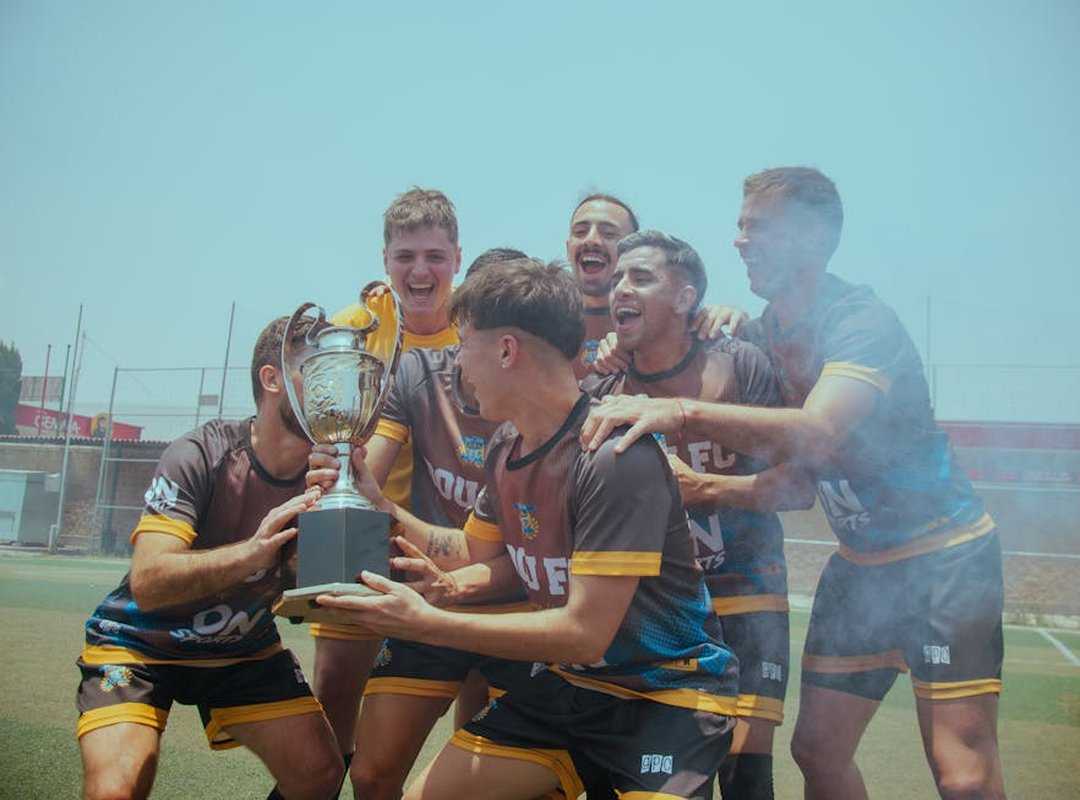
Just like that. It’s the same energy in key project deadlines or crisis management. One wrong move, and everything crumbles.
There are two key elements to nail these moments: Ultimate Combos and Target Priority. First, Ultimate Combos. Think of a marketing campaign perfectly timed with a sales outreach.
Marketing sets up the play. Sales slam dunks it. You hit the target like a pro.
Timing is everything. Get it right, and you’re unstoppable.
Then there’s Target Priority. Everyone must laser-focus on the most important objective. No distractions.
If your team’s running in different directions, you’re doomed. Pick the target and stick to it. I’ve seen teams waste time because they couldn’t decide.
Don’t be that team.
In real life, pre-plan your strategies. Define roles before the pressure’s on. Who’s the leader?
Who’s supporting? Know your priorities. Nothing worse than improvising under pressure.
It’s like bringing a knife to a gunfight. Set your plan. Stick to it.
For those seeking guidance, check out this breakdown. It’s all about combo. Winning isn’t about luck.
It’s about winning team compositions and preparation. Are you ready for the chaos?
Adapting to the ‘Meta’: Winning the Late Game
The ‘meta’ in gaming is like chasing a moving target. It’s the ever-changing set of strategies that define what’s effective right now. Blink, and you might miss a shift.
I’ve seen teams stick to last year’s tactics, only to be blindsided by a new plan. Does this sound familiar? This isn’t just gaming; it’s life.
Markets change, technologies evolve, and customer needs shift. What worked yesterday might be obsolete today.
Imagine a team clinging to one plan. They mastered it, sure, but the game’s changed. Now picture an adaptive team.
They’re constantly learning, evolving, and thriving. They don’t just master a plan; they master the process of adaptation. Which team do you think is winning?
Pro tip: Schedule quarterly ‘meta reviews.’ Sit down, discuss what’s changing in your industry, and tweak your strategies. It’s how you stay ahead. Feedback loops are your friend here.
Continuous learning isn’t optional. It’s survival.
The static team? They’re like a one-hit wonder. But the adaptive team?
They’re the band that keeps reinventing itself, always relevant. So, are you ready to adapt? Or will you watch others form winning team compositions while you play catch-up?
The choice is yours. Keep evolving or risk falling behind.
Press Start and Build Your Winning Team
You’ve heard it before: assembling a team is hard, like herding cats. But the principles of elite gaming offer a smart way through. You want winning team compositions?
Start by tackling that chaos head-on. This gaming-inspired approach isn’t just fluff. It’s a system that covers team building, individual roles, communication, and adaptation.
So why wait? Pick one plan from this article. Discuss it with your team this week.
That’s how you make progress. You know the struggle; now it’s time to act. Dive in, test it out, and watch your team transform into a cohesive force.
 Founder
Tavien Eldricson is the kind of writer who genuinely cannot publish something without checking it twice. Maybe three times. They came to hot topics in gaming through years of hands-on work rather than theory, which means the things they writes about — Hot Topics in Gaming, Doto2 Meta Shifts and Hero Counters, Moll Gaming Tactics and Strategies, among other areas — are things they has actually tested, questioned, and revised opinions on more than once.
That shows in the work. Tavien's pieces tend to go a level deeper than most. Not in a way that becomes unreadable, but in a way that makes you realize you'd been missing something important. They has a habit of finding the detail that everybody else glosses over and making it the center of the story — which sounds simple, but takes a rare combination of curiosity and patience to pull off consistently. The writing never feels rushed. It feels like someone who sat with the subject long enough to actually understand it.
Outside of specific topics, what Tavien cares about most is whether the reader walks away with something useful. Not impressed. Not entertained. Useful. That's a harder bar to clear than it sounds, and they clears it more often than not — which is why readers tend to remember Tavien's articles long after they've forgotten the headline.
Founder
Tavien Eldricson is the kind of writer who genuinely cannot publish something without checking it twice. Maybe three times. They came to hot topics in gaming through years of hands-on work rather than theory, which means the things they writes about — Hot Topics in Gaming, Doto2 Meta Shifts and Hero Counters, Moll Gaming Tactics and Strategies, among other areas — are things they has actually tested, questioned, and revised opinions on more than once.
That shows in the work. Tavien's pieces tend to go a level deeper than most. Not in a way that becomes unreadable, but in a way that makes you realize you'd been missing something important. They has a habit of finding the detail that everybody else glosses over and making it the center of the story — which sounds simple, but takes a rare combination of curiosity and patience to pull off consistently. The writing never feels rushed. It feels like someone who sat with the subject long enough to actually understand it.
Outside of specific topics, what Tavien cares about most is whether the reader walks away with something useful. Not impressed. Not entertained. Useful. That's a harder bar to clear than it sounds, and they clears it more often than not — which is why readers tend to remember Tavien's articles long after they've forgotten the headline.