Ever sat through a family dinner where someone argues about whether gaming is a “real sport”? It’s a hot topic that seems to pop up everywhere. You’re here because you want to know: are gamers the new athletes?
Let’s move past the simple yes or no. I’ve spent years analyzing both the strategic depth of games like Dota 2 and the teamwork in basketball or soccer.
Esports traditional sports debates aren’t just for clicks. They matter. Why? Because they reflect shifts in how we understand competition and skill. By the end, you’ll grasp the core similarities and key differences. Trust me, this conversation is more important than ever. You’ll gain a clear perspective on why this topic is relevant and worth your time.
The Unseen Parallels: Plan, Teamwork, and Dedication
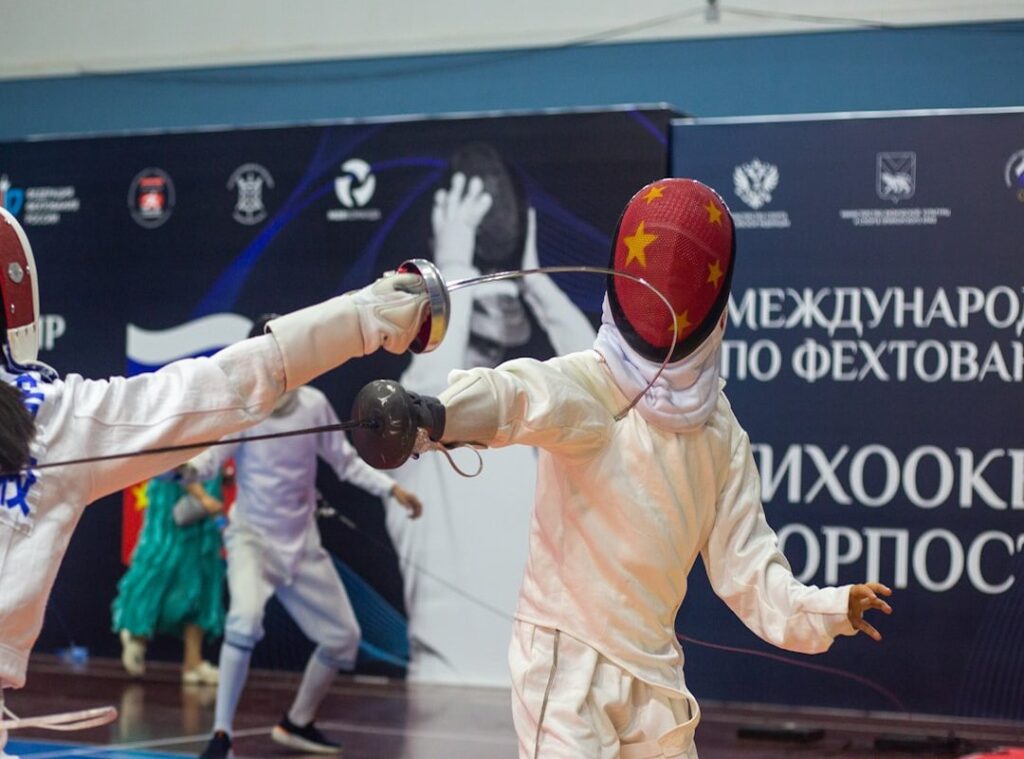
When it comes to competition, whether it’s esports or traditional sports, plan is everything. Ever seen a Dota 2 team pull off a smoke gank? It’s like watching a football team execute a complex play.
Both require intense strategic planning and precise execution. You can’t just wing it. You need a plan.
Teamwork? It’s non-negotiable. Pro-gamers constantly communicate, using callouts like a volleyball team sets up a spike.
Without combo, you’re just a bunch of individuals running around. It’s the same on a football field or a basketball court. Without communication, you’ll lose.
Simple.
Dedication is the backbone of any sport. In esports, pros spend hours reviewing replays and practicing mechanics. They study opponents like traditional athletes dissect game film.
It’s grueling. But necessary.
Ever noticed how much time athletes spend on drills? Esports players do the same, sharpening their skills to perfection. It’s not just about playing games.
It’s about mastering them.
And let’s not ignore the blockchain impact gaming industry. It’s reshaping how we view competitive gaming. It’s an unseen force driving change.
In the end, esports and traditional sports aren’t that different. Both demand plan, teamwork, and dedication. They’re two sides of the same coin.
Whether you’re on a digital battlefield or a physical one, these elements define your success. So, what’s your game plan?
Redefining Athleticism: Physical vs. Digital
Let’s talk about athleticism. You might picture someone sweating it out on a field. But what about the esports athletes?
They don’t break a sweat the same way, right? Yet, there’s a brutal physical demand. Full-body exertion is obvious in traditional sports, but esports require a different kind of physicality.
Think about the incredible hand-eye coordination. Reaction times are measured in milliseconds. These mental and physical demands are immense.
Now, consider the physical toll on these players. Repetitive strain injuries (RSI) in hands and wrists are real threats. It’s not just about gaming skill.
Eight-hour tournament days demand serious mental stamina. Can you imagine focusing that long without rest?
Good posture is key. Without it, they invite more physical strain. To combat this, many pro teams now employ physical trainers and nutritionists.
Yes, just like traditional sports teams. They work to improve performance and prevent burnout. It’s serious business.
Is it fair to compare esports to with traditional sports? Should we redefine what athleticism means? The physical demands are different but no less challenging.
Both arenas require dedication and resilience. Whether it’s maintaining peak physical condition or refining mental acuity, each athlete trains for their battlefield.
Esports athletes may not sprint across fields, but their athleticism is undeniable. It’s a new age, folks. Our definition of an athlete should evolve with it.
Don’t you think? As we rethink what defines a sport, let’s acknowledge the unique skills and demands of esports. It’s time to broaden our horizons.
The Global Stage: Leagues, Fans, and Million-Dollar Prizes
When we talk about esports traditional sports, some folks still doubt the legitimacy of esports. But let’s get real. Ever heard of the Dota Pro Circuit?
It’s a professional league that operates much like the NBA or the Premier League. And these teams aren’t just made up of amateurs on their parents’ Wi-Fi. Franchised teams like Team Liquid or OG are the real deal, just like the Yankees or the Lakers.
Now, here’s something that’ll knock your socks off. “The International” is Dota 2’s crowning event. With prize pools that often surpass $40 million, it makes some traditional sports events look like pocket change. We’re talking money on par with the Masters in golf.
Unbelievable, right? The energy at these tournaments is electric. Thousands of fans fill arenas, cheering louder than you’d hear at a World Series game.
It’s an atmosphere that’s hard to replicate.
And let’s not forget the fans. They’re as passionate and dedicated as any traditional sports fanbase. It’s not just about watching games.
It’s about being part of a community that thrives on competition and camaraderie. You want a peek into the future? Esports might just be it.
And who knows, maybe virtual reality might play a role in the evolution of these games. If you’re curious about the potential rise of VR in gaming, you can learn more.
Where the Paths Diverge: Key Differences to Understand
Let’s talk about the game developer’s role in esports. It’s a wild ride. Unlike traditional sports, where rules are set in stone (or ink), game developers can change the “sport” with a single patch.

Take Valve with Dota 2, for instance. They can drop a patch and overnight, the meta shifts. It’s like if basketball decided three-pointers are now worth five points.
Crazy, right?
Now, the field of play in esports is digital. A game isn’t just a court or field; it’s code. This code can be buggy, servers can crash, or worse, face digital attacks.
Imagine trying to play soccer and the ball just vanishes. That’s the kind of chaos we deal with here.
Esports careers? Blink and you might miss them. The demands are insane.
Fast reaction times are important, and games evolve at breakneck speeds. Players have to adapt or risk obsolescence. It’s not like being a baseball player where you can enjoy a long career.
The pressure’s constant.
In comparing esports traditional sports, these differences are stark. The digital nature and the changing rule-making set esports in a league of its own. Is it better or worse?
Depends who you ask. But it’s definitely different.
The Future of Competition: A Blurring Line
We’re living in a time where esports and traditional sports are on a collision course. Who would’ve thought esports would become such a big deal, right? The idea of esports being a medal event in the Asian Games or even considered for the Olympics shows how mainstream it has become.
And, technology from gaming is reshaping conventional sports. Think data analytics, player tracking, and simulation software. It’s like the Matrix for athletes.
But let’s be real. The future isn’t about esports overtaking traditional sports. It’s about expanding what “competition” means.
We live in a world where you can be a fan of both. Whether you’re obsessed with LeBron’s dunks or a Dota 2 comeback, there’s room for everyone in this new era of sports.
The Spirit of the Game
When you think about it, esports traditional sports aren’t so different. Both pulse with plan and dedication. Yet, the debate rages on.
Is esports legit? Absolutely. Once you see those parallels, you can’t miss the skill and performance that go into it.
It’s like watching chess and basketball blend. Still skeptical? Dive in.
Watch a major esports tournament or grab a beginner’s guide to Dota 2. You’ll see what I’m talking about. Ready to challenge your view?
Visit molldoto2.com. They’ve got the takeaways to help you appreciate it all. Don’t just take my word for it.
 Founder
Tavien Eldricson is the kind of writer who genuinely cannot publish something without checking it twice. Maybe three times. They came to hot topics in gaming through years of hands-on work rather than theory, which means the things they writes about — Hot Topics in Gaming, Doto2 Meta Shifts and Hero Counters, Moll Gaming Tactics and Strategies, among other areas — are things they has actually tested, questioned, and revised opinions on more than once.
That shows in the work. Tavien's pieces tend to go a level deeper than most. Not in a way that becomes unreadable, but in a way that makes you realize you'd been missing something important. They has a habit of finding the detail that everybody else glosses over and making it the center of the story — which sounds simple, but takes a rare combination of curiosity and patience to pull off consistently. The writing never feels rushed. It feels like someone who sat with the subject long enough to actually understand it.
Outside of specific topics, what Tavien cares about most is whether the reader walks away with something useful. Not impressed. Not entertained. Useful. That's a harder bar to clear than it sounds, and they clears it more often than not — which is why readers tend to remember Tavien's articles long after they've forgotten the headline.
Founder
Tavien Eldricson is the kind of writer who genuinely cannot publish something without checking it twice. Maybe three times. They came to hot topics in gaming through years of hands-on work rather than theory, which means the things they writes about — Hot Topics in Gaming, Doto2 Meta Shifts and Hero Counters, Moll Gaming Tactics and Strategies, among other areas — are things they has actually tested, questioned, and revised opinions on more than once.
That shows in the work. Tavien's pieces tend to go a level deeper than most. Not in a way that becomes unreadable, but in a way that makes you realize you'd been missing something important. They has a habit of finding the detail that everybody else glosses over and making it the center of the story — which sounds simple, but takes a rare combination of curiosity and patience to pull off consistently. The writing never feels rushed. It feels like someone who sat with the subject long enough to actually understand it.
Outside of specific topics, what Tavien cares about most is whether the reader walks away with something useful. Not impressed. Not entertained. Useful. That's a harder bar to clear than it sounds, and they clears it more often than not — which is why readers tend to remember Tavien's articles long after they've forgotten the headline.