Esports isn’t just growing—it’s redefining competitive entertainment in real time. If you’re searching for deeper insight into today’s hottest gaming trends, evolving Dota 2 metas, and what truly separates pub strategies from pro-level execution, you’re in the right place.
With esports viewership statistics continuing to climb year after year, understanding the strategies behind the screen matters more than ever. Casual observations aren’t enough anymore. To truly improve—or even just appreciate high-level play—you need clear breakdowns of meta shifts, hero prioritization, draft logic, and in-game decision-making.
This article delivers exactly that. We’ll explore current gameplay trends, analyze how competitive teams adapt to patch changes, and highlight practical takeaways you can apply to your own matches. Every insight is grounded in close study of pro games, evolving meta patterns, and real match data—so you’re not just reading opinions, but informed analysis designed to sharpen your edge.
Beyond View Counts: A Pro’s Guide to Esports Engagement
“Why do we have 200K followers but only 3K live viewers?” a team manager once asked me. That’s the right question.
Total followers are vanity metrics—numbers that look impressive but reveal little about behavior. Real engagement measures active participation: chat velocity, average watch time, repeat viewership, and sentiment shifts during key plays.
Consider this: Global esports audience reached 532 million in 2022 (Newzoo). Big number. But how many stayed for the draft phase?
- Track peak vs. average concurrent viewers
- Monitor chat-to-viewer ratios
As one analyst told me, “If chat spikes, something emotional just happened.” That’s actionable insight.
The Core Four: Essential Esports Engagement Metrics
Have you ever wondered why a stream with fewer peak viewers can still feel bigger? That’s where Average Minute Audience (AMA) comes in. AMA measures the average number of viewers watching during each minute of a broadcast. Unlike Peak Concurrent Viewers (PCU), which captures a single high-water mark, AMA shows sustained attention. To calculate it, divide total minutes watched by total broadcast minutes. In other words, are fans sticking around—or just dropping in for the hype moment?
Next, consider Chat Velocity & Sentiment. It’s not just how many messages appear, but how fast they move and what they say. Are viewers spamming “EZ” during a stomp, or analyzing drafts? High velocity plus positive sentiment signals real engagement (and sometimes meme magic). So ask yourself: does your chat explode during clutch plays or go silent during pauses?
Then there’s Audience Retention Rate. When exactly do viewers leave? During ad breaks? Between matches? Identifying these drop-off points turns guesswork into strategy.
Finally, Social Engagement Rate separates passive scrollers from true fans. Comments, shares, and duets on platforms like X or TikTok matter more than raw impressions. After all, esports viewership statistics only tell part of the story—are your fans actually interacting?
Live Stream Forensics: Analyzing Data from Twitch, YouTube, and Kick
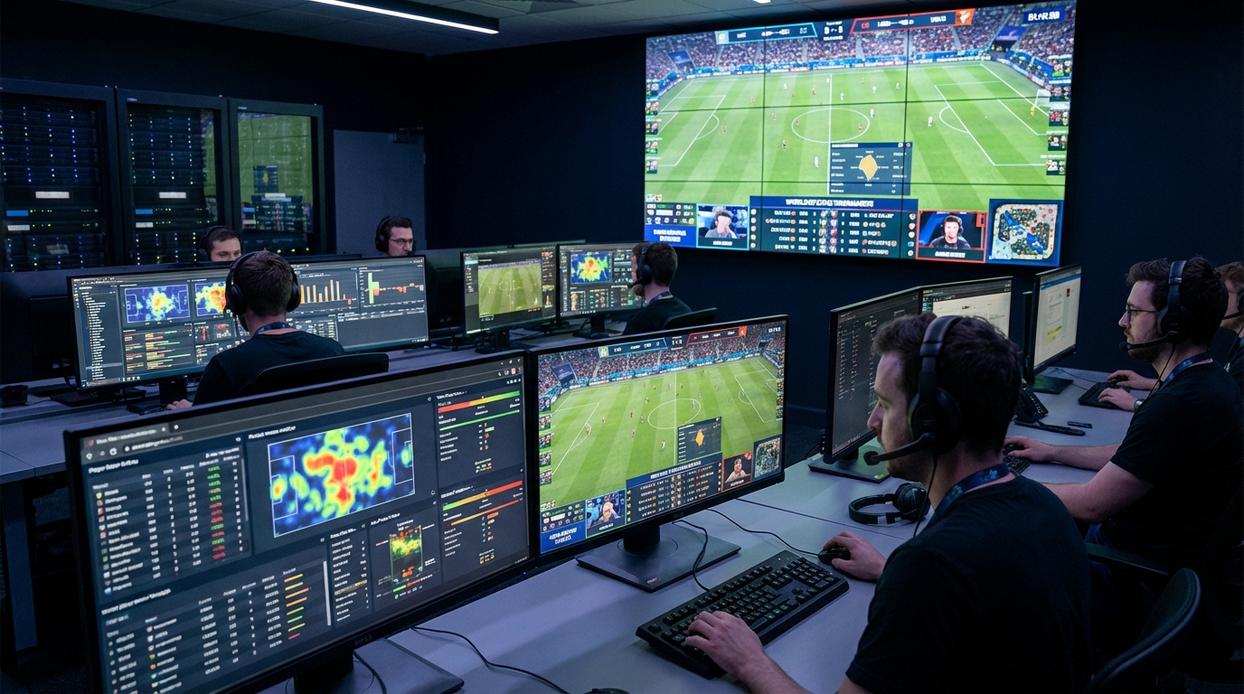
Platform-Specific Nuances
“Chat’s spamming emotes—something big is about to happen,” one analyst laughed during a playoff watch party. That reaction says everything about Twitch. Channel points (a loyalty reward system viewers earn by watching) and custom emotes turn passive viewers into active participants. When a clutch Black Hole lands in Dota 2, chat doesn’t just react—it explodes.
YouTube behaves differently. “The real analysis happens after the stream,” a coach told me. VOD comments (remarks left on recorded streams) often contain timestamped breakdowns like, “34:22—this smoke gank changed everything.” Engagement stretches beyond the live moment.
Kick, meanwhile, leans into looser community structures. Smaller directories mean tighter creator-viewer relationships. “It feels like early Twitch,” one streamer said. Discovery is less algorithm-heavy, more personality-driven.
Reading the Timeline
Start with the viewership graph. Step one: mark spikes. Step two: align them with in-game events—team fights, Roshan steals, base defenses. Step three: check chat velocity (messages per minute). A comeback win often shows a gradual climb; a surprise Rampage creates a sharp vertical jump. Cross-referencing these with esports viewership statistics adds macro context to micro moments.
The Power of Co-Streaming
Critics argue co-streaming cannibalizes the main broadcast. “They’re stealing viewers,” one tournament organizer complained. Yet aggregated numbers often show total reach increasing. Co-streamers localize commentary, converting casual fans who might skip the primary desk.
Subscriber vs. Follower Analysis
Followers are casual bookmarks. Subscribers are paying supporters. If 100,000 follow but only 2% subscribe, monetization lags. Healthy channels consistently nudge that conversion upward (pro tip: track sub spikes after major wins).
Beyond the Broadcast: Gauging Community Health on Discord & Reddit
The stream ends. The real story begins.
Discord as a Focus Group
In my view, Discord is the closest thing esports has to a live focus group. When the broadcast goes dark, fans drop the polish and speak freely. Track server activity (how often members post), channel popularity (which rooms spike during roster rumors or patch notes), and recurring discussion themes. If #meta-talk explodes after every scrim, that tells you strategy matters more than personality content. If meme channels outperform analysis threads, that’s a signal too (and maybe a warning).
Some argue Discord is just noise—too chaotic to analyze. I disagree. Patterns emerge quickly when you look at message velocity and repeat topics. Pro tip: export weekly message counts and compare them to match days to spot engagement triggers.
Subreddit Sentiment Analysis
Reddit, meanwhile, reveals narrative. Are posts strategic and forward-looking, or negative and complaint-driven? That tonal shift matters. Sentiment analysis—categorizing posts as positive, neutral, or negative—helps quantify mood. When esports viewership statistics show sustained global growth, yet subreddit threads skew pessimistic, there’s a disconnect worth addressing.
Identifying Influential Voices
Every community has power users. These are members whose posts spark long threads or get cited repeatedly. Track comment karma, reply depth, and cross-post frequency to identify them. Think of them as your unofficial analysts (or critics).
Feedback Loop Integration
Finally, close the loop. Pull Discord FAQs into broadcast segments. Address Reddit critiques in post-match breakdowns. Even explore topics like how ai is influencing game design and player experience if that conversation gains traction. Community health isn’t abstract—it’s actionable.
Connecting Meta Shifts and Patches to Audience Interest
A major patch lands like a plot twist in a long‑running TV series. Before the update, conversations hum at a steady baseline; after it, theory‑crafting explodes as players dissect every line of the notes. Pre‑patch vs. post‑patch analytics works like a seismograph, measuring the spike in searches, streams, and forum threads the moment balance changes hit.
Next, tracking playstyle popularity is similar to watching fashion trends cycle. Certain heroes and strategies suddenly dominate discussion and viewership, revealing where curiosity—and competitive hope—are flowing.
Finally, predictive analysis draws on historical engagement like a weather forecast. By mapping past esports viewership statistics to patch types, you can anticipate which buffs, nerfs, or reworks will spark loudest cheers instead of groans.
You now have a framework to analyze esports engagement deeper than your rivals. Instead of guessing, start translating live stream spikes and Discord chatter into strategy. For example, map viewership surges to key in-game fights and compare them with esports viewership statistics to spot patterns. As a result, your drafts, segments, and VOD reviews become sharper. The benefit? Higher retention, smarter content bets, and measurable growth. Start with one method next broadcast and watch lift.
You came here to understand the evolving Dota 2 meta, sharpen your playstyle, and prepare like the pros. Now you have the strategic clarity to adapt to patch shifts, read draft priorities, and approach every match with purpose instead of guesswork.
The reality is simple: falling behind the meta means falling behind in ranked, scrims, and competitive play. When you don’t adjust to hero priority changes, lane dynamics, and macro rotations, you feel it immediately in lost MMR and inconsistent performances. Staying ahead isn’t optional anymore—it’s the edge that separates casual grinding from calculated climbing.
The smartest move you can make now is to apply what you’ve learned. Review your recent matches, refine your hero pool around current strengths, and structure your practice like a pro preparing for tournament play. Small adjustments in decision-making and draft awareness compound fast.
Turn Insight Into Wins
If you’re tired of being outdrafted, out-rotated, or outscaled, it’s time to level up your approach. Get deeper breakdowns, sharper meta reads, and proven high-level strategies designed to help you win more consistently. Don’t just play the patch—master it. Start refining your strategy today and turn every queue into a calculated step toward higher MMR.