
Team-building exercises often feel like a bad joke, right? Forced. Awkward.
You leave with nothing but a headache. They rarely teach skills that matter when deadlines loom and projects flop. You know what I’m talking about.
Think of a team in a competitive game. A mess without plan. Here’s the twist: the best teamwork isn’t happening in stuffy offices.
It’s in the fast-paced world of esports. High stakes, split-second decisions. the magic is. This article promises to arm you with engaging team communication drills.
Not the same old, tired stuff. These are inspired by elite gaming teams that achieve flawless combo. Expect actionable exercises.
Skills you can actually use. Ready to ditch the trust falls? Let’s learn from the pros.
Gaming Teams: The Ultimate Collaboration Blueprint
Ever watch a pro Dota 2 match? It’s like a masterclass in teamwork. Each player knows their role inside out.
There’s the Carry, who deals the heavy damage, the Support keeping everyone alive, and the Initiator who dives headfirst into the chaos. It’s all about role definition and execution. If one player messes up, the whole team can crumble.
Sound familiar? It’s the same in any project team. Everyone has to nail their part, or the whole thing falls apart.
Then there’s communication. In gaming, ‘shot-calling’ is key. One player takes charge, guiding the team with clear, concise calls.
It’s not about barking orders but sharing key info at the right moment. In business, this is like those high-stakes meetings where you need team communication drills to make sure everyone stays on the same page. Without this, decisions lag, and opportunities slip away.
But wait, it gets crazier. In Dota, the ‘meta’ shifts constantly. Teams have to adapt fast.
If the enemy switches tactics, you pivot or perish. Markets are no different. Competitors change strategies, and you have to react.
A team that can’t adapt is a team that fails.
These gaming principles? They aren’t just for fun. They can be learned and practiced.
Want to dive deeper? Check out this pre match guide important checklists teams. It’s all about honing those skills through targeted exercises.
So, are you ready to level up your team’s game?
Rapid Response: Mastering the ‘Smoke Gank’
In gaming, a “gank” is a swift, surprise attack that demands coordination, speed, and a bit of cunning. It’s not just a gaming tactic; it’s a lesson in real-world problem-solving. Picture this: your team faces an unexpected crisis (like a negative PR tweet or sudden project change).
You’ve got just minutes to devise a plan.
The objective here isn’t about winning a game. It’s about honing your ability to think quickly and act decisively. This exercise is a team communication drill designed to sharpen those skills.
The setup is simple. Present your team with an urgent task and set a tight time limit. Five to ten minutes is all you get.
First, assign a “shot-caller”. A leader who’ll steer the team through the chaos. Next, simplify communication.
Only share what’s absolutely necessary. There’s no time for fluff. Finally, the shot-caller makes the call on the plan.
It’s pressure, pure and simple, but that’s the point.
Afterward, you’ll debrief. Discuss how well the team communicated, the speed of decisions, and how roles naturally emerged. Did everyone fall into place or was there a scramble?
This is where the real learning happens.
You’re not just testing speed. You’re testing clarity and the ability to lead under pressure. For more on building these key skills, check out this overview.
It’s packed with takeaways into team-building activities that can transform your approach.
Remember, the “Smoke Gank” isn’t just for gamers. It’s a metaphor for any rapid response scenario. Whether you’re managing a team or just looking to improve, the lessons are universal.
So, why not give it a try?
Exercise 2: The Warding Mission (Build) Team Vision
I’ve always been hooked on games where you reveal hidden parts of the map. The thrill of “warding” to gain needed vision mirrors what we face in team communications. Imagine splitting up your team into two factions.
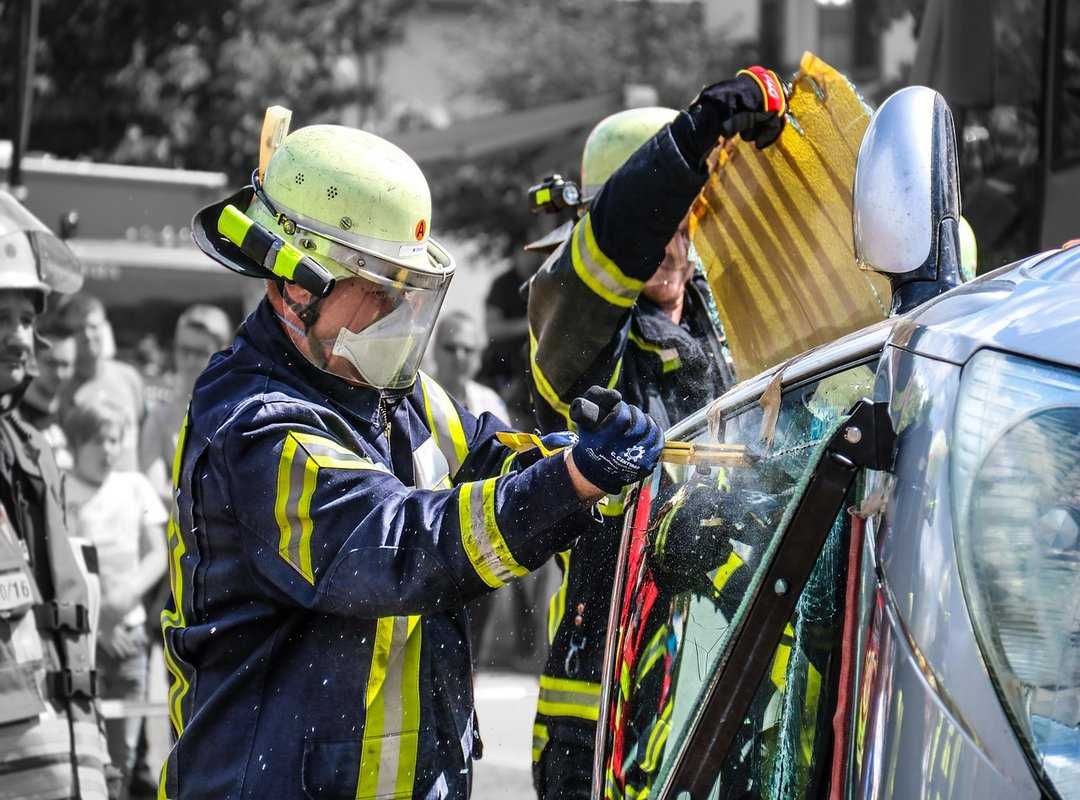
It’s like a strategic game, really. One team holds the secret sauce. Key information.
The other team? They’ve just got the basic instructions.
Here’s the kicker: the informed team can’t just spill the beans. They’ve got to communicate it all verbally. No handouts, no diagrams.
Just words. It’s like trying to describe a movie when you can’t show any clips. The uninformed team needs to grill them with questions until they get the full picture.
Only then can they tackle the task.
Does this sound chaotic? It is, but chaos is the heart of learning. I remember a time when my team hit a roadblock because nobody was on the same page.
It’s frustrating, right? That’s why these “team communication drills” are important. They’re not just about solving the task; they’re about learning to share and clarify information effectively.
In gaming terms, think of it as turning the fog of war into clarity. Post-exercise, you sit down and analyze what went wrong (or right). Where did the communication crumble?
What parts of the puzzle were left out? This kind of review leads to post match analysis takeaways improvements. Game-wise, it’s the reflection after a match.
So why do this? Simple. It makes us better at sharing key knowledge.
We learn to create a more coherent system. And all through a game-like exercise that keeps everyone on their toes. We aren’t just solving puzzles here.
We’re building a team that can tackle any challenge by staying informed and connected. That’s the real win.
Replay Review: Unleashing Team Potential
Ever watched a pro team dissect their match replays? It’s like peeling layers from an onion. Revealing both the sweet and the stinging bits.
We can learn a lot from this. So here’s an exercise: let’s review a recent project, not to assign blame, but to improve our process.
First, pick a small project as your “replay.” Set the ground rules (no) personal attacks, just actions and outcomes. Everyone must bring one “what went well” and one “could be improved.” This isn’t just a suggestion. It’s a rule.
You’ll be surprised at the takeaways you get when everyone participates.
Now, walk through the project timeline. Chronologically. At each milestone, pause.
Ask the team to pinpoint efficiencies, bottlenecks, or miscommunications. Focus on the “why” behind these events. Not the “who.” Understanding the reasons creates a culture of learning, not blaming.
Then comes the debrief. This isn’t just a casual chat. It’s about developing a list of 1-3 actionable process changes.
These are concrete steps to take in the next project. To prevent the same issues from cropping up again. You know, like swatting a fly and missing.
You missed because you didn’t change your approach.
Team communication drills like this are key. They transform how we work together. And in gaming, as in business, teamwork is everything.
So, are you ready to dive into your next replay review?
Boost Your Team’s Game
Effective teamwork isn’t magic. It’s a skill. You know it, I know it.
Disjointed teams fail when the heat’s on. That’s why we need focus on practical skills like rapid communication and shared awareness. It’s about getting results.
Want to see your team thrive under pressure? Try one of these team communication drills this week. It’ll improve your coordination and morale.
Fast. We promise you’ll see immediate benefits. Want proof?
Our methods are inspired by top gaming tactics. Ready to transform your team? Dive in.
Don’t wait. Act now. See the difference in your next team meeting.
 Community Manage
Lee Hirschaken is the kind of writer who genuinely cannot publish something without checking it twice. Maybe three times. They came to competitive match prep guides through years of hands-on work rather than theory, which means the things they writes about — Competitive Match Prep Guides, Dota-Inspired Playstyle Breakdowns, Doto2 Meta Shifts and Hero Counters, among other areas — are things they has actually tested, questioned, and revised opinions on more than once.
That shows in the work. Lee's pieces tend to go a level deeper than most. Not in a way that becomes unreadable, but in a way that makes you realize you'd been missing something important. They has a habit of finding the detail that everybody else glosses over and making it the center of the story — which sounds simple, but takes a rare combination of curiosity and patience to pull off consistently. The writing never feels rushed. It feels like someone who sat with the subject long enough to actually understand it.
Outside of specific topics, what Lee cares about most is whether the reader walks away with something useful. Not impressed. Not entertained. Useful. That's a harder bar to clear than it sounds, and they clears it more often than not — which is why readers tend to remember Lee's articles long after they've forgotten the headline.
Community Manage
Lee Hirschaken is the kind of writer who genuinely cannot publish something without checking it twice. Maybe three times. They came to competitive match prep guides through years of hands-on work rather than theory, which means the things they writes about — Competitive Match Prep Guides, Dota-Inspired Playstyle Breakdowns, Doto2 Meta Shifts and Hero Counters, among other areas — are things they has actually tested, questioned, and revised opinions on more than once.
That shows in the work. Lee's pieces tend to go a level deeper than most. Not in a way that becomes unreadable, but in a way that makes you realize you'd been missing something important. They has a habit of finding the detail that everybody else glosses over and making it the center of the story — which sounds simple, but takes a rare combination of curiosity and patience to pull off consistently. The writing never feels rushed. It feels like someone who sat with the subject long enough to actually understand it.
Outside of specific topics, what Lee cares about most is whether the reader walks away with something useful. Not impressed. Not entertained. Useful. That's a harder bar to clear than it sounds, and they clears it more often than not — which is why readers tend to remember Lee's articles long after they've forgotten the headline.